

The Evolution of Modern Trading Platforms
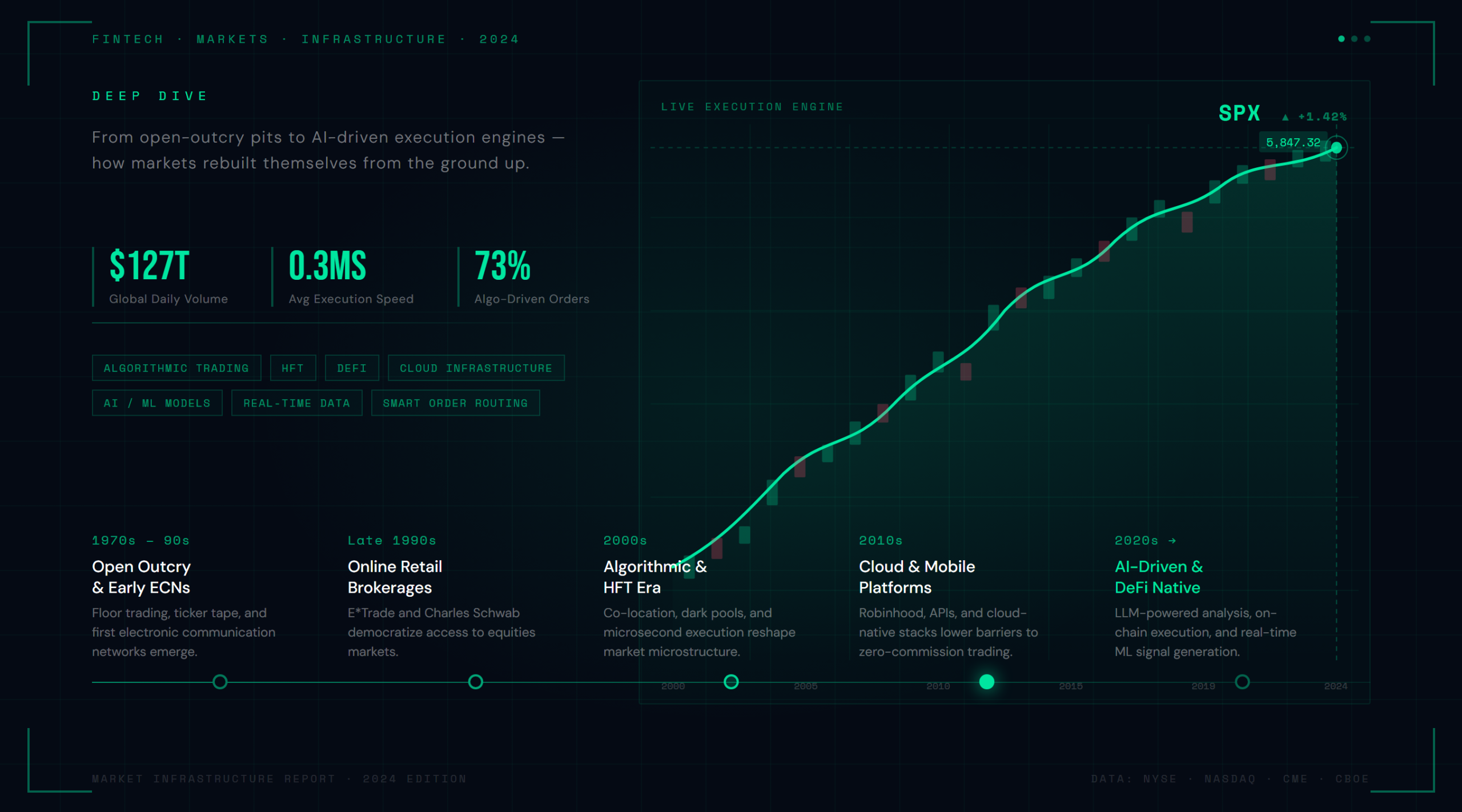
At ICunity, traders are encouraged to understand not only market strategies but also the tools that make modern trading possible. Over the past two decades, trading platforms have evolved dramatically, transforming how individuals access financial markets. What once required professional brokers and expensive terminals is now available to anyone with an internet connection.
Are you ready to transform your financial future?
Sign Up TodayNo credit card required • Free demo account • Instant activation
The evolution of trading platforms has made markets faster, more accessible, and more data-driven than ever before.
The Early Days of Online Trading
Before the rise of digital platforms, trading financial markets was a slow and manual process. Investors typically placed orders by phone through brokerage firms, and execution could take minutes or even hours.
Institutional traders used advanced terminals such as those provided by Bloomberg L.P., which delivered market data, analytics, and trading capabilities. However, these systems were extremely expensive and mostly limited to banks, hedge funds, and large financial institutions.
Retail traders had very limited access to real-time market information.
The Rise of Retail Trading Platforms
In the early 2000s, the growth of internet technology allowed brokers to introduce platforms designed for individual traders. This period marked a major turning point in financial markets.
Platforms like MetaTrader 4 helped popularize retail Forex trading by providing charting tools, technical indicators, and automated trading features. Traders could now analyze markets and execute trades directly from their computers.
This shift democratized trading by giving retail participants access to tools previously reserved for professionals.
Mobile Trading Revolution
The introduction of smartphones created the next major transformation in trading platforms.
Modern trading apps now allow users to:
- Monitor markets in real time
- Execute trades instantly
- Receive economic news alerts
- Manage portfolios from anywhere
Brokerage platforms such as eToro and Robinhood helped accelerate this mobile-first trading culture. As a result, millions of new retail investors entered financial markets over the past decade.
Advanced Charting and Analytics
Modern trading platforms are far more sophisticated than earlier systems.
Today’s platforms include features such as:
- Multi-timeframe chart analysis
- Dozens of technical indicators
- Automated trading strategies
- Backtesting tools
- Social trading networks
Platforms like TradingView have become extremely popular because they combine powerful charting tools with a global community of traders sharing ideas and strategies.
These tools allow traders to analyze markets with a level of detail that was once available only to professional institutions.
Algorithmic and Automated Trading
Another major development in modern trading platforms is automation.
Algorithmic trading allows traders to create rules-based systems that execute trades automatically based on predefined conditions. These systems remove emotional decision-making and allow strategies to operate continuously.
Many platforms now support algorithmic trading using scripting languages or built-in automation tools.
For experienced traders, automation can improve efficiency and consistency.
Integration With Global Financial Data
Modern platforms now integrate a wide range of financial information directly into the trading interface.
Traders can access:
- Economic calendars
- Market sentiment indicators
- Global financial news
- Earnings reports
- Central bank announcements
For example, policy changes by institutions like the Federal Reserve can immediately affect currency, stock, and commodity markets. Having this data integrated into trading platforms helps traders react faster to major market events.
The Impact of Technology on Retail Traders
The evolution of trading platforms has lowered barriers to entry dramatically.
Today, traders benefit from:
- Low transaction costs
- High-speed order execution
- Access to multiple asset classes
- Powerful analytical tools
However, easier access also comes with responsibility. Without proper education and risk management, the same technology that empowers traders can also increase losses.
The Future of Trading Platforms
Looking ahead, trading platforms are expected to become even more advanced.
Future developments may include:
- Artificial intelligence–driven market analysis
- Improved algorithmic trading tools
- Deeper data integration
- Enhanced mobile trading experiences
Technology will likely continue to reshape how traders interact with financial markets.
Final Thoughts
At ICunity, understanding trading technology is considered an essential part of becoming a skilled trader. The evolution of modern trading platforms has opened financial markets to millions of people worldwide, providing powerful tools that were once reserved for institutions.
While technology has made trading more accessible than ever, long-term success still depends on knowledge, discipline, and responsible risk management. Modern platforms provide the tools — but the trader must provide the strategy and control.