

How to Build Discipline as a Trader
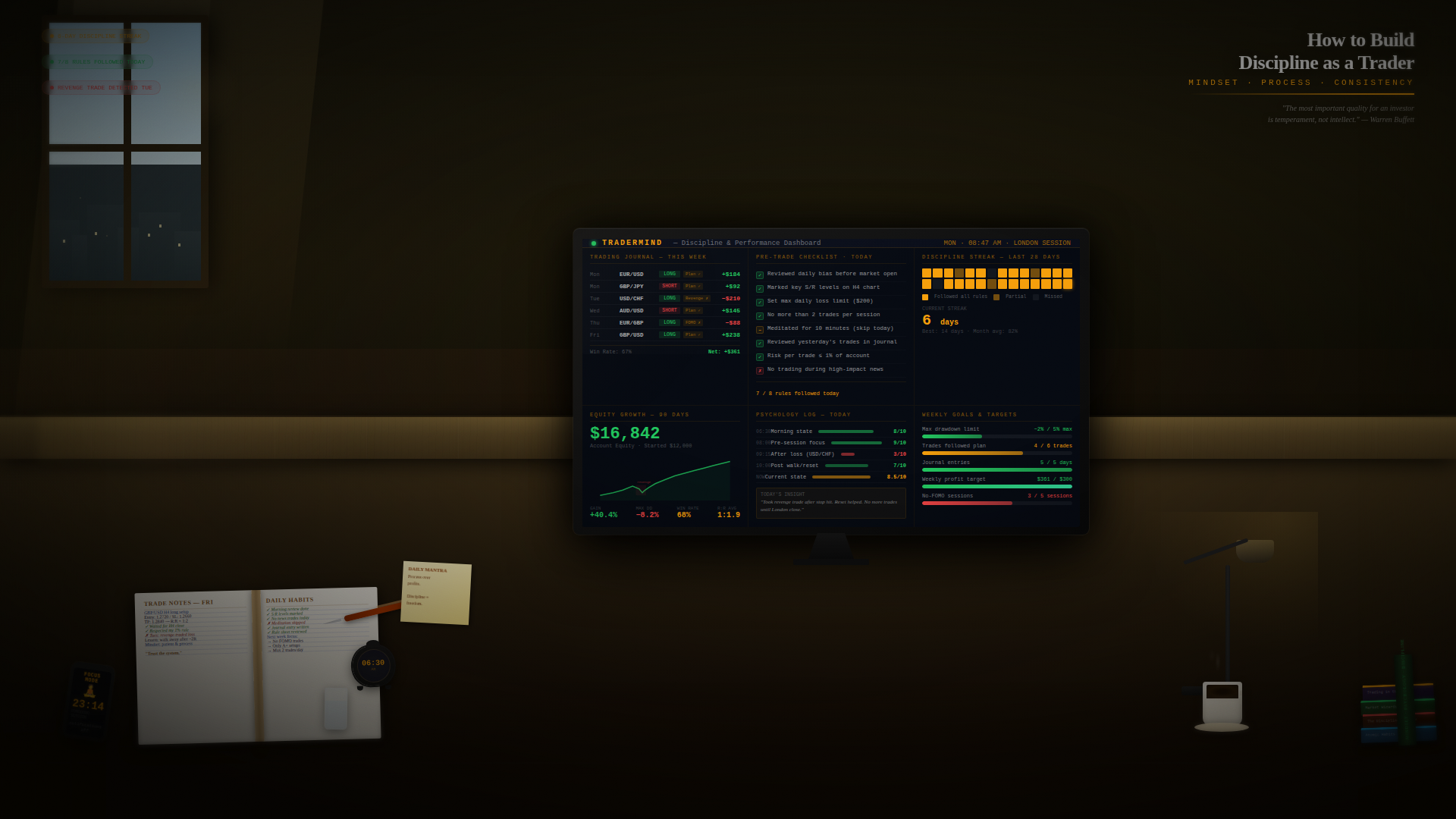
At ICunity, we often tell traders that discipline is the single most important skill for long-term success. You can have the best strategy in the world, but without discipline, even profitable setups will fail. Discipline is what separates consistently profitable traders from those who struggle to stay in the market.
Are you ready to transform your financial future?
Sign Up TodayNo credit card required • Free demo account • Instant activation
Building discipline is not about being rigid or emotionless — it’s about creating habits that allow you to follow your plan, manage risk, and stay focused under pressure.
Why Discipline Matters in Trading
Trading is one of the few professions where emotions can directly impact your bottom line. Fear, greed, overconfidence, and impatience often lead to:
- Overtrading
- Ignoring stop-losses
- Chasing losses
- Entering setups without proper confirmation
Without discipline, these behaviors can erode even a strong trading account. By cultivating discipline, traders can:
- Stick to their trading strategy
- Manage risk effectively
- Avoid impulsive decisions
- Grow confidence over time
Steps to Build Discipline as a Trader
1. Develop a Trading Plan
A trading plan is your roadmap. It should include:
- Entry and exit rules
- Risk management guidelines
- Daily or weekly trading routines
- Goals and performance metrics
Once your plan is clear, discipline becomes a matter of following it consistently.
2. Start With a Demo Account
Beginners often make impulsive trades with real money. Using a demo account allows you to practice following rules without financial pressure. This helps develop discipline gradually before risking real capital.
3. Set Risk Limits
Discipline is easier when your risk is controlled.
- Never risk more than 1–2% of your account per trade
- Set stop-loss and take-profit levels before entering
- Avoid “all-in” trades or chasing losses
Knowing your risk limits reduces emotional stress and prevents impulsive decisions.
4. Keep a Trading Journal
A journal tracks:
- Your trades and setups
- Emotional state during each trade
- Lessons learned
By reviewing your journal regularly, you can identify bad habits and reinforce good ones. This is one of the most effective ways to build discipline over time.
5. Focus on One Strategy
Many traders jump between strategies, which often leads to confusion and inconsistency. Discipline comes from mastering one strategy at a time, understanding its edge, and sticking to it through ups and downs.
6. Manage Emotions
Emotional control is critical. Some practical tips include:
- Take breaks after a loss or a winning streak
- Avoid trading when stressed or distracted
- Practice mindfulness or deep breathing to stay calm
Traders who manage emotions consistently are more disciplined and make fewer mistakes.
7. Create a Routine
Discipline thrives on structure. Set a consistent daily routine for your trading activities:
- Analyze the market at the same time every day
- Review economic calendars
- Plan trades before the session begins
Routines reduce decision fatigue and keep you focused.
8. Accept Losses as Part of Trading
No strategy wins every trade. Losses are inevitable. Traders who accept losses without emotional reactions are more disciplined. This mindset allows you to stick to your plan instead of chasing recovery trades.
The Long-Term Benefits of Discipline
Traders who develop discipline often experience:
- Consistent performance over time
- Lower stress and higher confidence
- Better decision-making under pressure
- Long-term account growth
Even professional investors like Warren Buffett attribute much of their success to patience, emotional control, and disciplined decision-making.
Final Thoughts
At ICunity, we believe discipline is the foundation of all trading success. It is built gradually through a combination of planning, practice, emotional control, and structured routines.
Discipline is not about perfection — it’s about consistently following your rules and making rational decisions, even when emotions tempt you to stray.
Traders who cultivate discipline can weather losses, stick to strategies, and ultimately achieve long-term consistency and profitability in the markets.