

Forex vs Stock Trading: Which Is Better for Beginners?
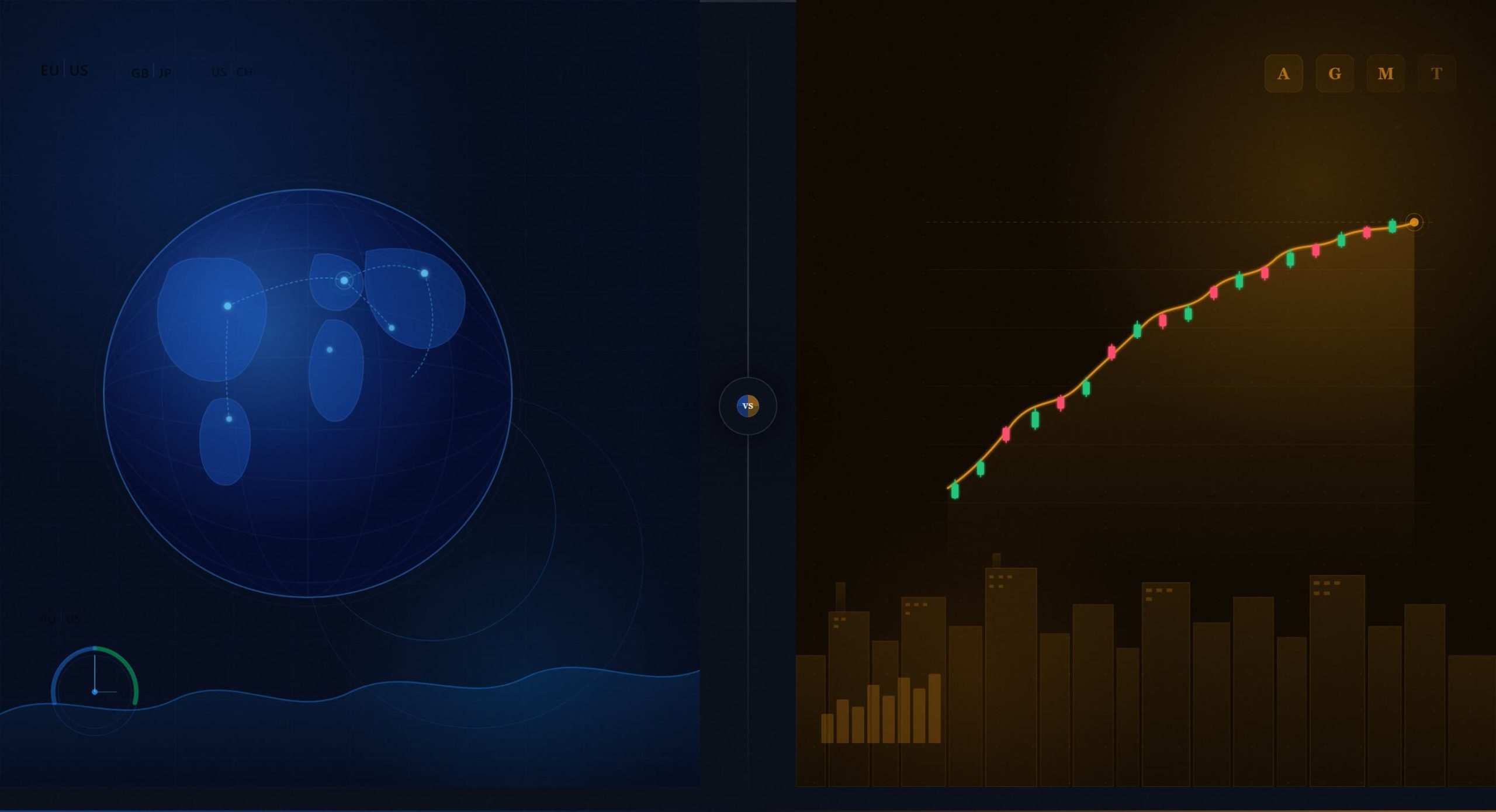
At ICunity, one of the first decisions beginners face is choosing between Forex trading and stock trading. Both markets offer opportunities, but they work differently and suit different types of traders.
Are you ready to transform your financial future?
Sign Up TodayNo credit card required • Free demo account • Instant activation
The key is not choosing what’s “better” overall—but what’s better for you as a beginner.
What Is Forex Trading?
Forex (foreign exchange) trading involves buying and selling currencies in pairs, such as EUR/USD or GBP/JPY.
Key features:
- Open 24 hours (5 days a week)
- High liquidity
- Use of leverage
- Focus on global economic factors
Forex is the largest financial market in the world.
What Is Stock Trading?
Stock trading involves buying shares of companies like Apple Inc. or Tesla, Inc..
Key features:
- Fixed trading hours (based on exchange)
- Ownership in companies
- Influenced by company performance
- Long-term and short-term opportunities
Stocks are often easier to understand because they relate to real businesses.
Key Differences
1. Market Hours
- Forex: Open 24 hours
- Stocks: Limited to exchange hours
Forex offers more flexibility, especially for part-time traders.
2. Complexity
- Forex: Influenced by global economics, interest rates, and central banks
- Stocks: Influenced by company earnings, news, and industry trends
For example, decisions from the Federal Reserve can impact Forex markets significantly.
Stocks may feel more intuitive for beginners.
3. Volatility
- Forex: Generally steady but can spike during news
- Stocks: Can be highly volatile, especially individual companies
Both markets have risk—but in different ways.
4. Leverage
- Forex: High leverage available
- Stocks: Lower leverage (in most cases)
Leverage can increase profits—but also losses. Beginners must be cautious.
5. Starting Capital
- Forex: Can start with small amounts
- Stocks: Often require more capital for diversification
Forex is usually more accessible for beginners with limited funds.
Advantages of Forex for Beginners
- Lower capital requirements
- Flexible trading hours
- High liquidity (easy to enter/exit trades)
- Many free learning resources
However, leverage and fast-moving markets can be risky.
Advantages of Stocks for Beginners
- Easier to understand (real companies)
- Less reliance on leverage
- Suitable for long-term investing
- More stable for beginners
Stocks are often preferred by those who want a slower, less intense approach.
Which One Should You Choose?
Choose Forex if:
- You want flexibility in trading hours
- You have limited starting capital
- You’re interested in short-term trading
Choose Stocks if:
- You prefer long-term investing
- You want to trade real companies
- You prefer a slower pace
Common Beginner Mistake
Many beginners jump into Forex because of low entry requirements, but underestimate the risks of leverage and volatility.
At the same time, some avoid stocks thinking they require huge capital—which is not always true with modern platforms.
Can You Trade Both?
Yes. Many traders eventually explore both markets.
However, beginners should:
- Start with one market
- Learn its behavior
- Build consistency before expanding
Final Thoughts
At ICunity, we believe both Forex and stock trading offer valuable opportunities. The best choice depends on your goals, personality, and risk tolerance.
Forex offers flexibility and accessibility, while stocks provide simplicity and long-term potential.
There is no perfect market—only the one that fits you best. Focus on learning, managing risk, and staying consistent, and success can come in either path.