
What Is Leverage in Trading? Risks & Benefits Explained
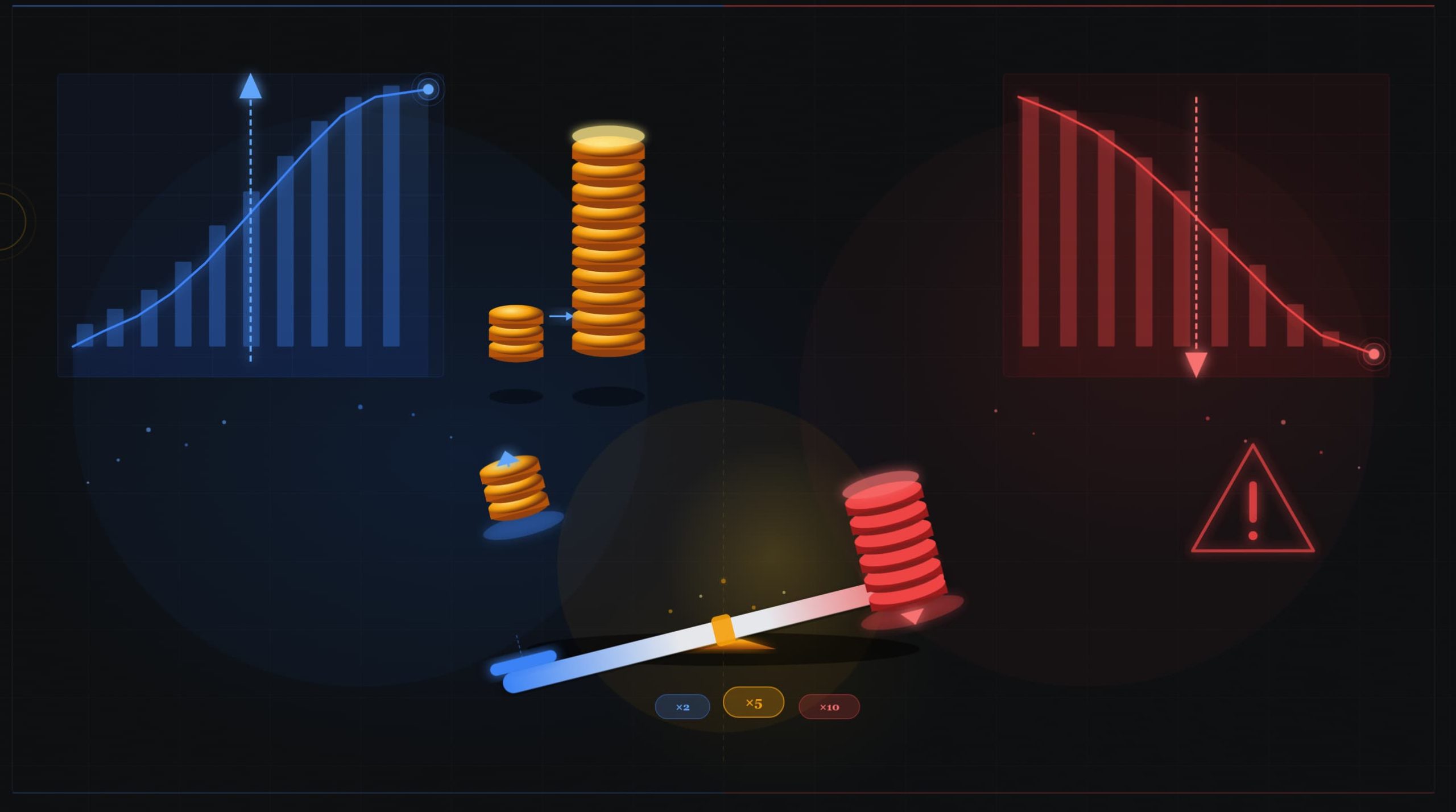
At ICunity, leverage is one of the most misunderstood concepts among beginner traders. It can increase your profits, but it can also amplify your losses just as quickly. Understanding how leverage works is essential before using it in real trading.
Are you ready to transform your financial future?
Sign Up TodayNo credit card required • Free demo account • Instant activation
What Is Leverage?
Leverage allows you to control a larger trading position with a smaller amount of money.
It is usually expressed as a ratio, such as:
- 1:10
- 1:50
- 1:100
For example:
With 1:100 leverage, you can control $10,000 in the market with just $100 of your own capital.
How Does Leverage Work?
Leverage is essentially borrowed capital provided by your broker.
Example:
- You deposit $100
- Use 1:100 leverage
- You can open a position worth $10,000
This increases your exposure to the market without needing full capital upfront.
Why Traders Use Leverage
Leverage is popular because it allows traders to:
- Enter larger positions
- Increase potential profits
- Trade with small starting capital
In fast-moving markets like Forex, even small price changes can generate meaningful returns when leverage is used.
The Benefits of Leverage
1. Higher Profit Potential
A small market movement can result in larger profits compared to trading without leverage.
2. Capital Efficiency
You don’t need large funds to participate in the market.
3. More Trading Opportunities
Leverage allows you to diversify trades with limited capital.
The Risks of Leverage
Leverage is powerful—but dangerous if misused.
1. Amplified Losses
Just as profits increase, losses also grow faster.
A small move against your position can result in significant losses.
2. Margin Calls
If your account balance falls below a required level, your broker may automatically close your trades.
3. Overtrading
Leverage can tempt traders to open too many positions or use large lot sizes.
4. Emotional Pressure
Larger positions increase stress, leading to poor decision-making.
Real Example
Let’s say:
- You trade EUR/USD
- Use high leverage
- Market moves 1% against you
Without leverage → small loss
With high leverage → large loss or account wipeout
This shows why leverage must be handled carefully.
How to Use Leverage Safely
At ICunity, we emphasize responsible use of leverage:
- Risk only 1–2% per trade
- Use stop-loss on every trade
- Avoid maximum leverage
- Focus on consistency, not quick gains
Leverage should support your strategy—not replace it.
The Role of Market Volatility
Leverage becomes even riskier during major market events.
For example, announcements from the Federal Reserve can cause sudden price swings, which can quickly impact leveraged positions.
Common Beginner Mistakes
- Using maximum leverage without understanding risk
- Chasing large profits quickly
- Ignoring stop-loss orders
- Trading emotionally
These mistakes often lead to rapid losses.
Final Thoughts
At ICunity, we view leverage as a tool—not a shortcut. It can enhance your trading performance when used correctly, but it can also destroy your account if misused.
The key is discipline:
- Start with low leverage
- Focus on risk management
- Build consistency first
In trading, survival comes before success—and using leverage wisely is a big part of that journey.