

How to Trade Support and Resistance Like a Pro
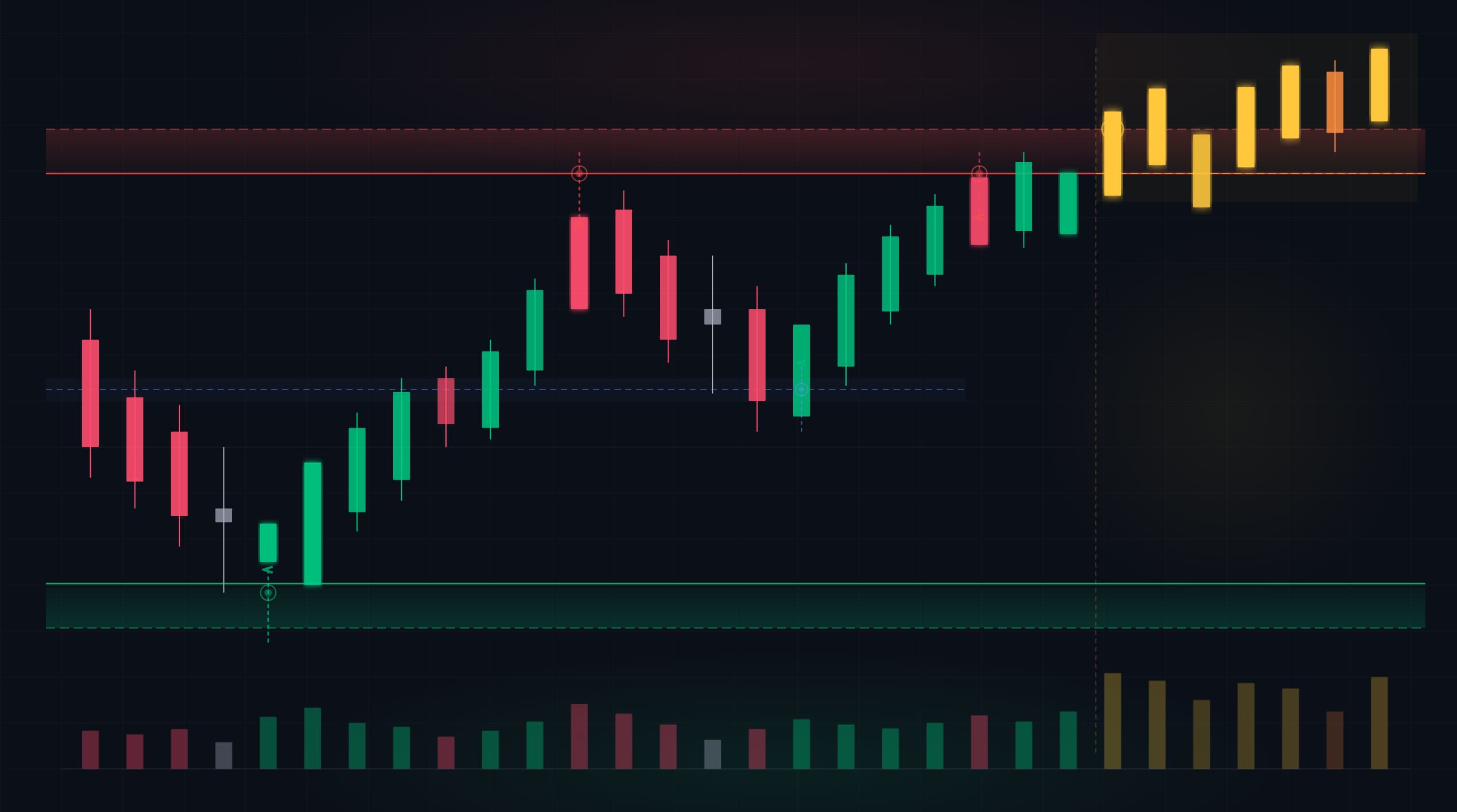
At ICunity, support and resistance are considered the backbone of smart trading. While many beginners learn these concepts early, very few know how to use them like professionals. The difference lies not in knowing the levels—but in how you interpret and trade them.
Are you ready to transform your financial future?
Sign Up TodayNo credit card required • Free demo account • Instant activation
What Are Support and Resistance?
- Support: A price level where the market tends to stop falling and bounce upward
- Resistance: A level where price struggles to move higher and may reverse downward
These levels represent areas where buyers and sellers are actively competing.
Why Support and Resistance Work
Markets move based on supply and demand.
- At support, buyers step in → price rises
- At resistance, sellers dominate → price falls
These levels repeat because traders react to the same price zones over time.
Step 1: Identify Key Levels Correctly
Professional traders don’t draw too many lines—they focus on strong, obvious levels.
Look for:
- Multiple touches of a level
- Clear rejection (price bouncing away)
- Zones, not exact lines
Think of support and resistance as areas, not precise points.
Step 2: Wait for Confirmation
One of the biggest mistakes beginners make is entering trades immediately at support or resistance.
Instead, wait for confirmation such as:
- Rejection candles (pin bars, engulfing candles)
- Strong momentum away from the level
- Break-and-retest patterns
Patience separates amateurs from professionals.
Step 3: Trade the Bounce (Reversal Strategy)
This is the most common approach.
- Buy near support
- Sell near resistance
- Place stop-loss slightly beyond the level
This strategy works best in range-bound markets.
Step 4: Trade the Breakout (Advanced Strategy)
When price breaks a strong level, it can lead to powerful moves.
To trade breakouts:
- Wait for a clear break
- Avoid entering immediately (risk of false breakout)
- Look for a retest of the level before entering
This is known as the break-and-retest strategy.
Step 5: Understand Market Context
Support and resistance don’t work in isolation.
Consider:
- Overall trend
- Market structure
- News and events
For example, major announcements from the Federal Reserve can cause price to break through key levels unexpectedly.
Step 6: Combine with Price Action
Professional traders rarely rely on levels alone.
They combine support and resistance with:
- Candlestick patterns
- Trend analysis
- Market structure
This increases the probability of successful trades.
Step 7: Manage Risk Properly
Even the best levels can fail.
Always:
- Use a stop-loss
- Risk only 1–2% per trade
- Aim for a favorable risk-to-reward ratio
Risk management is what turns good analysis into consistent results.
Common Mistakes to Avoid
- Drawing too many levels
- Treating levels as exact lines
- Entering without confirmation
- Ignoring market conditions
- Overtrading every level
Simplicity and discipline are key.
Pro Tips for Better Results
- Focus on higher timeframes (H1, H4, Daily)
- Mark major levels first, then refine
- Be patient—wait for the best setups
- Trade less, but trade smarter
Final Thoughts
At ICunity, we believe mastering support and resistance is one of the most valuable skills a trader can develop. It helps you understand where the market is likely to react and gives you a structured way to plan trades.
The secret to trading these levels like a pro isn’t complexity—it’s patience, discipline, and consistency.
When used correctly, support and resistance can turn random trading into a clear, strategic approach.