

Simple Scalping Strategy That Actually Works
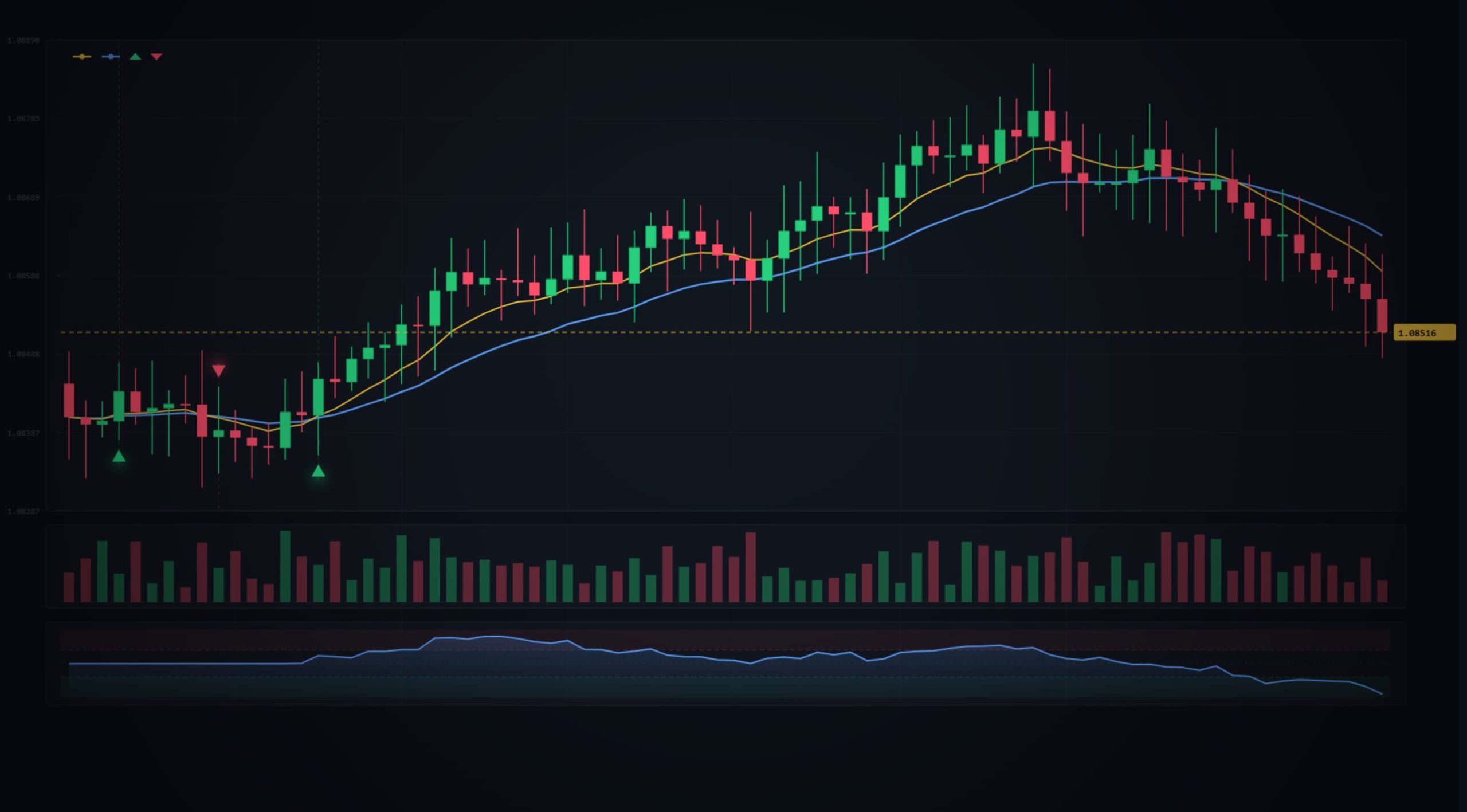
At ICunity, many beginner traders are attracted to scalping because of its fast-paced nature and quick trading opportunities. While scalping can be profitable, it can also become chaotic if you overcomplicate it.
Are you ready to transform your financial future?
Sign Up TodayNo credit card required • Free demo account • Instant activation
The key to successful scalping is not using dozens of indicators—it’s having a simple, disciplined strategy with clear rules.
What Is Scalping?
Scalping is a short-term trading style where traders aim to capture small price movements multiple times throughout the day.
Scalpers usually:
- Hold trades for minutes or seconds
- Take multiple trades daily
- Focus on small but consistent gains
This strategy is popular in the Forex market because of its high liquidity and fast execution.
Why Simplicity Matters in Scalping
Many beginners fail because they:
- Use too many indicators
- Overtrade
- Enter trades emotionally
A simple strategy helps traders:
- React faster
- Avoid confusion
- Stay disciplined
In scalping, speed and clarity are critical.
The Simple Scalping Strategy
This beginner-friendly strategy combines:
- Trend direction
- Support and resistance
- Basic moving averages
Step 1: Choose the Right Market
Scalping works best on:
- Major Forex pairs (EUR/USD, GBP/USD)
- High liquidity markets
- Tight spreads
Avoid low-volume or highly unpredictable markets.
Step 2: Use the Right Timeframe
Recommended setup:
- 5-minute chart (M5) for entries
- 15-minute chart (M15) for trend confirmation
This keeps the strategy fast while reducing noise.
Step 3: Add Two Moving Averages
Use:
- 50 EMA (Exponential Moving Average)
- 200 EMA
These help identify the trend.
Step 4: Identify the Trend
Buy Setup:
- 50 EMA above 200 EMA
- Price above both EMAs
Sell Setup:
- 50 EMA below 200 EMA
- Price below both EMAs
Trade only in the direction of the trend.
Step 5: Wait for a Pullback
Do not chase price.
Instead:
- Wait for price to pull back toward the 50 EMA
- Look for rejection candles or strong momentum candles
This provides better entries and lower risk.
Step 6: Set Stop-Loss and Take-Profit
A simple approach:
- Stop-loss below recent swing low (for buys)
- Take-profit at 1:1.5 or 1:2 risk-to-reward
Scalping is about consistency—not huge wins.
Example Trade
Imagine:
- EUR/USD trending upward
- 50 EMA above 200 EMA
- Price pulls back to 50 EMA
- Bullish candle forms
This could be a potential buy setup.
Best Time to Scalping Trade
Scalping works best during active market sessions:
- London session
- New York session
- London/New York overlap
These periods usually provide strong liquidity and tighter spreads.
Avoid Trading During Major News
Major events can create dangerous volatility.
For example, announcements from the Federal Reserve can cause sudden spikes that make scalping extremely risky.
Many professional scalpers avoid trading during major news releases.
Common Scalping Mistakes
- Overtrading
- Trading without trend confirmation
- Ignoring stop-loss
- Using excessive leverage
- Chasing every market move
Discipline matters more than speed.
Is Scalping Good for Beginners?
Scalping can be challenging because it requires:
- Fast decision-making
- Emotional control
- Strong discipline
Beginners should:
- Start on a demo account
- Trade small sizes
- Focus on quality setups
Final Thoughts
At ICunity, we believe the best scalping strategies are often the simplest. A clear trend-following approach combined with proper risk management can help traders avoid unnecessary complexity.
Scalping is not about taking hundreds of random trades—it’s about executing a simple plan consistently and controlling risk carefully.
Master the basics first, stay disciplined, and let consistency work in your favor over time.