

What Is a Demo Trading Account and Why You Should Use One
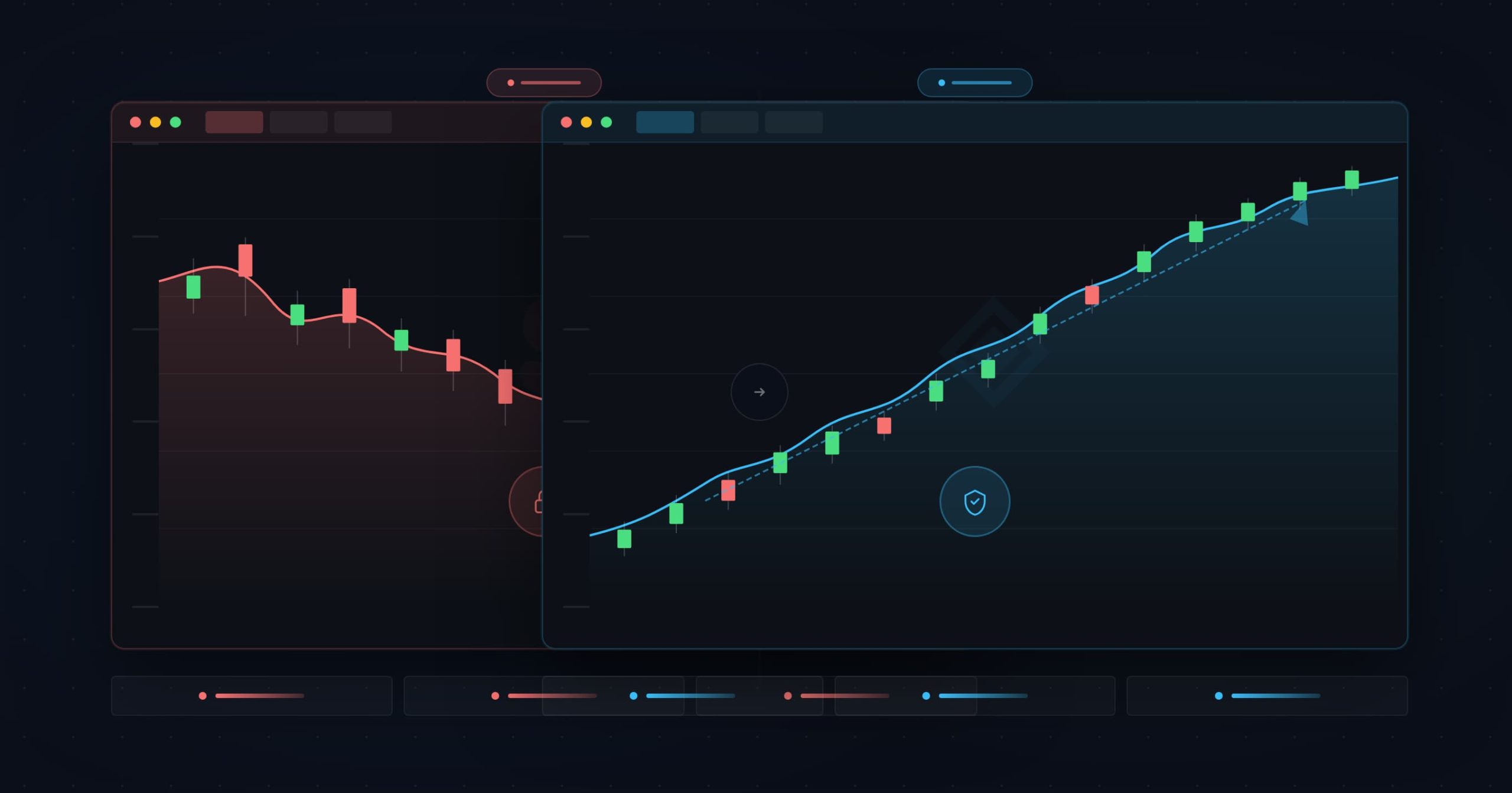
At ICunity, one of the first recommendations for beginner traders is simple: start with a demo trading account before risking real money. A demo account allows you to experience the market, practice strategies, and build confidence without financial risk.
Are you ready to transform your financial future?
Sign Up TodayNo credit card required • Free demo account • Instant activation
For beginners, it’s one of the safest and smartest ways to learn trading.
What Is a Demo Trading Account?
A demo trading account is a practice account provided by brokers that uses virtual money instead of real funds.
It allows traders to:
- Access real market conditions
- Use trading platforms
- Place buy and sell trades
- Test strategies safely
The market prices are usually real-time, but the money is simulated.
How Does a Demo Account Work?
A demo account works almost exactly like a live trading account.
You can:
- Open trades
- Use charts and indicators
- Set stop-loss and take-profit levels
- Monitor profits and losses
The difference is simple: you are not risking real money.
Why Beginners Should Use a Demo Account
1. Learn Without Financial Risk
You can make mistakes and learn from them without losing actual capital.
2. Understand Trading Platforms
Platforms like MetaTrader 5 and MetaTrader 4 can feel overwhelming at first.
A demo account helps you learn:
- How to place trades
- How to read charts
- How to use trading tools
3. Practice Strategies
Before trading live, you can test:
- Scalping strategies
- Swing trading setups
- Breakout trading methods
- Risk management rules
This helps identify what works best for your style.
4. Build Confidence
Trading becomes less intimidating when you’ve already practiced in a realistic environment.
Confidence grows through:
- Repetition
- Experience
- Understanding market behavior
Demo Accounts Help Develop Discipline
Many beginners focus only on making virtual profits, but the real value of a demo account is learning:
- Patience
- Consistency
- Emotional control
- Risk management
These habits are essential before going live.
What Demo Trading Cannot Teach Fully
While demo accounts are useful, they have limitations.
The biggest difference is emotion.
When real money is involved:
- Fear increases
- Greed becomes stronger
- Emotional pressure affects decisions
This psychological aspect is difficult to fully simulate in demo trading.
Common Mistakes Beginners Make on Demo Accounts
1. Taking Unrealistic Risks
Many traders use huge lot sizes because the money isn’t real.
This creates bad habits.
2. Treating It Like a Game
A demo account should be treated seriously—as if it were real money.
3. Switching Strategies Constantly
Some traders jump from one strategy to another without giving any system enough time.
Consistency matters more than constant changes.
How Long Should You Use a Demo Account?
There’s no perfect timeframe, but beginners should practice until they can:
- Follow a strategy consistently
- Manage risk properly
- Understand basic market behavior
- Stay disciplined during wins and losses
The goal is preparation—not speed.
The Role of Market Events
Demo trading also helps beginners understand how markets react to real-world news.
For example, announcements from the Federal Reserve can cause sharp movements in Forex pairs, helping traders experience volatility safely.
When to Move to a Live Account
You should consider moving to a live account only when:
- You have a clear strategy
- You can manage risk consistently
- You understand your platform
- You are emotionally disciplined
Even then, it’s best to start with small capital.
Final Thoughts
At ICunity, we believe demo accounts are one of the most valuable learning tools for beginner traders. They provide a safe environment to build skills, test strategies, and gain market experience without financial pressure.
A demo account won’t guarantee success, but it can help you avoid many beginner mistakes before entering the real market.
Learn first, practice consistently, and treat your demo experience seriously—the habits you build there can shape your future as a trader.