

Is Forex Trading Legal? Everything You Need to Know
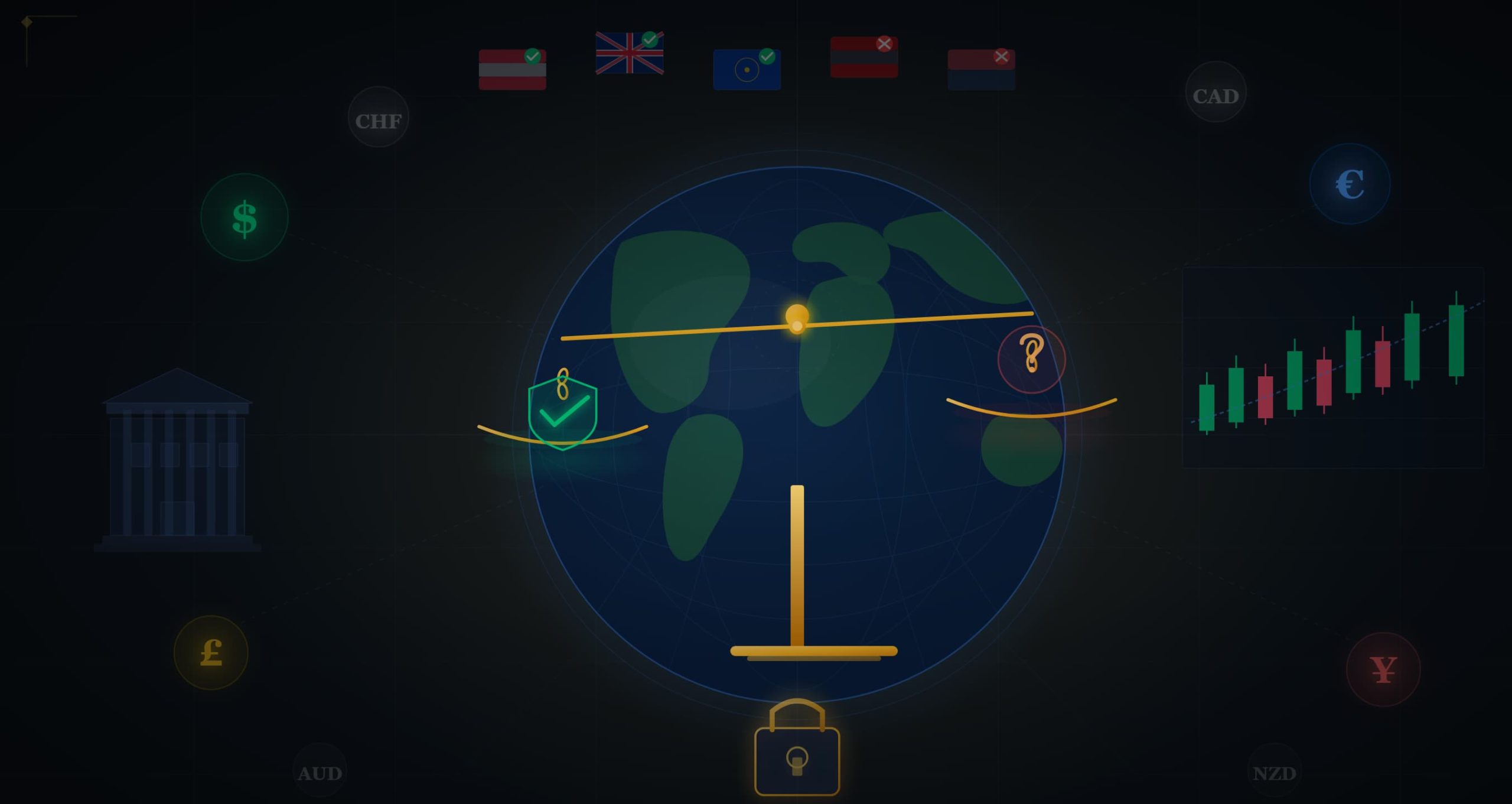
At ICunity, one of the most common questions beginners ask is: “Is Forex trading legal?” The short answer is yes—Forex trading is legal in many countries around the world. However, the rules, regulations, and broker requirements can vary depending on where you live.
Are you ready to transform your financial future?
Sign Up TodayNo credit card required • Free demo account • Instant activation
Understanding the legal side of Forex trading is important before opening an account or investing money.
What Is Forex Trading?
Forex (foreign exchange) trading involves buying and selling currencies to profit from changes in exchange rates.
Popular currency pairs include:
- EUR/USD
- GBP/USD
- USD/JPY
The Forex market is the largest financial market globally, with trillions of dollars traded daily.
Is Forex Trading Legal Worldwide?
Forex trading is legal in many countries, including:
- United States
- United Kingdom
- Australia
- Canada
- Most European countries
- Many Asian and Middle Eastern countries
However, some countries heavily restrict or ban Forex trading due to financial regulations or currency controls.
Why Governments Regulate Forex Trading
Governments regulate Forex markets to:
- Protect traders from fraud
- Prevent money laundering
- Ensure broker transparency
- Maintain financial stability
Regulated brokers must follow strict rules and licensing requirements.
Importance of Using a Regulated Broker
One of the most important steps in Forex trading is choosing a regulated broker.
Trusted regulators include:
- Financial Conduct Authority (UK)
- Commodity Futures Trading Commission (US)
- Australian Securities and Investments Commission (Australia)
Regulated brokers are generally safer because they must follow financial laws and client protection rules.
Is Forex Trading Legal in Pakistan?
Forex trading exists in Pakistan, but traders should carefully check:
- Local financial regulations
- Tax obligations
- Whether the broker accepts Pakistani clients legally
Using internationally regulated brokers is generally considered safer than using unverified platforms.
Common Forex Trading Restrictions
Some countries limit:
- High leverage
- Certain trading products
- Offshore brokers
- Crypto-related Forex trading
For example, leverage rules in the European Union are stricter than in some offshore regions.
Legal vs Illegal Forex Brokers
A legal Forex broker:
- Has regulatory licensing
- Provides transparent policies
- Segregates client funds
- Follows financial compliance rules
Warning signs of illegal brokers:
- Guaranteed profits
- No regulation information
- Withdrawal problems
- Aggressive marketing scams
Always research before depositing money.
Forex Trading and Taxes
In many countries, Forex trading profits may be taxable.
Taxes depend on:
- Your country’s laws
- Whether trading is a hobby or business
- Your total earnings
It’s wise to consult a local tax professional if you trade actively.
Risks of Unregulated Forex Trading
Trading with unregulated brokers can expose traders to:
- Fraud
- Manipulated pricing
- Account freezes
- Withdrawal issues
This is why regulation matters as much as strategy.
Role of Central Banks in Forex Markets
Major institutions like the Federal Reserve influence Forex markets through:
- Interest rate decisions
- Monetary policy
- Economic announcements
These events are legal market drivers and can create major price movements.
Can Beginners Legally Start Forex Trading?
Yes. In most countries, adults can legally open Forex trading accounts if they meet broker requirements.
Most brokers require:
- Identity verification
- Proof of address
- Compliance checks
This process is part of financial regulation and security.
Common Misconceptions About Forex Trading
“Forex trading is illegal gambling.”
Forex trading is generally considered a regulated financial activity when done through licensed brokers.
“Forex is a scam.”
Forex itself is not a scam—but fraudulent brokers and fake investment schemes do exist.
“Anyone can get rich quickly.”
Forex trading involves significant risk and requires education, discipline, and risk management.
Final Thoughts
At ICunity, we believe Forex trading can be a legitimate financial opportunity when approached responsibly and legally. The key is understanding your local regulations, choosing a trusted broker, and focusing on education rather than shortcuts.
Forex trading is legal in many parts of the world—but success depends on:
- Using regulated platforms
- Managing risk properly
- Staying informed about financial laws
Before you start trading, take the time to understand both the market and the legal environment around it.