

Fear and Greed in Trading: How to Control Them
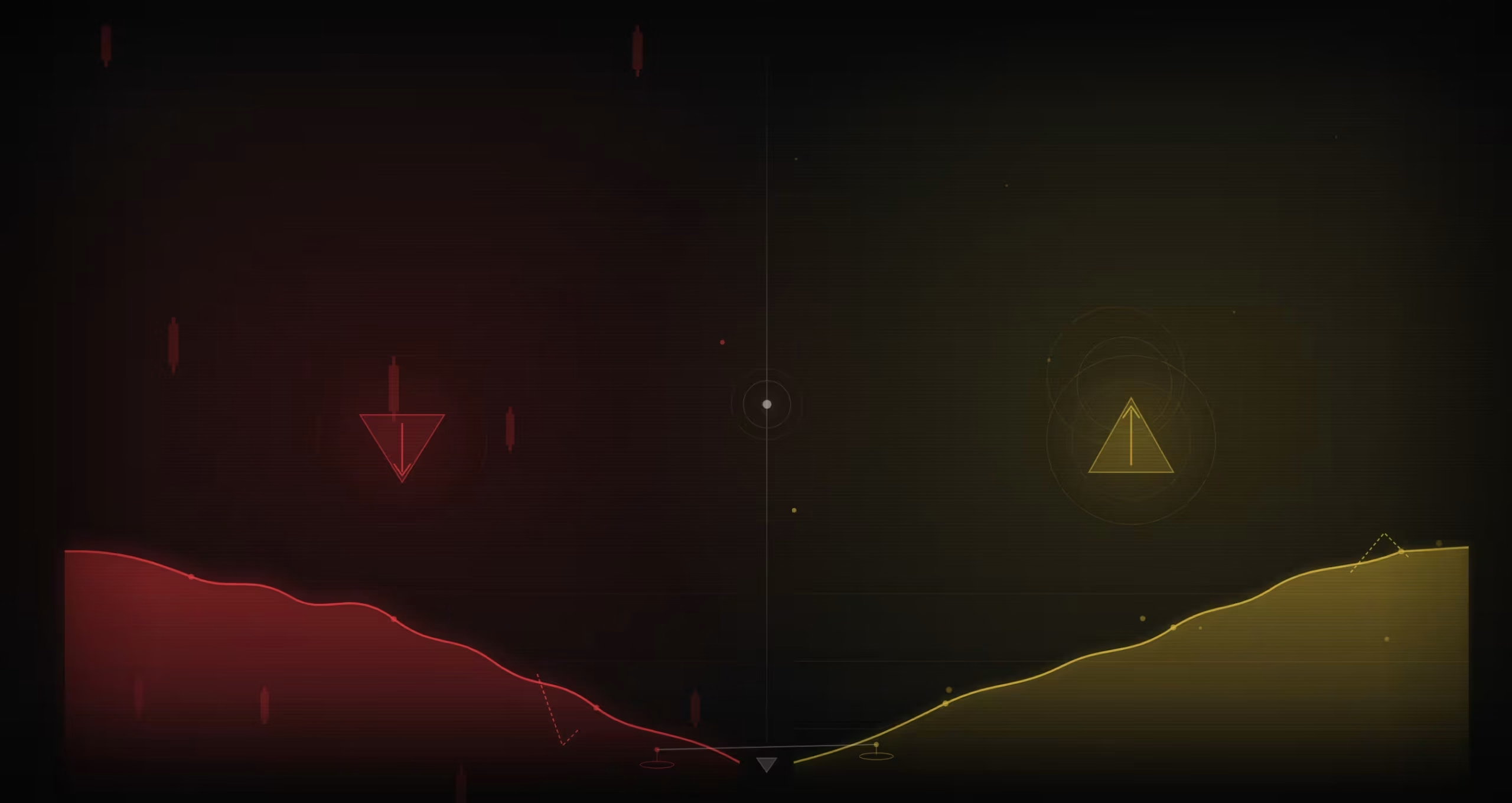
At ICunity, traders often discover that the biggest challenge in trading is not finding a strategy—it is managing emotions. Two emotions dominate financial markets more than any others: fear and greed. These powerful psychological forces influence trading decisions every day and are responsible for many costly mistakes.
Are you ready to transform your financial future?
Sign Up TodayNo credit card required • Free demo account • Instant activation
Learning how to control fear and greed is one of the most important skills a trader can develop. While no one can eliminate emotions completely, successful traders learn how to manage them effectively.
What Are Fear and Greed in Trading?
Fear and greed are natural human emotions that affect decision-making under uncertainty.
In trading:
- Fear causes traders to avoid opportunities or exit trades too early.
- Greed causes traders to take excessive risks or hold positions longer than planned.
Both emotions can lead to impulsive decisions that ignore a trading strategy.
How Fear Affects Traders
Fear often appears after a series of losses or during periods of market volatility.
Common signs of fear include:
- Hesitating to enter a valid setup
- Closing winning trades too early
- Constantly moving stop-loss orders
- Avoiding trades altogether after a loss
Fear can make traders focus more on potential losses than on following their trading plan.
How Greed Affects Traders
Greed usually appears when traders become overly focused on profits.
Common signs of greed include:
- Increasing position sizes unnecessarily
- Ignoring risk management rules
- Overtrading
- Holding profitable trades for too long
- Chasing market moves
Greed often convinces traders that a winning streak will continue indefinitely, leading to unnecessary risks.
Why Fear and Greed Are Dangerous
Both emotions can disrupt discipline.
Fear may prevent traders from taking high-quality opportunities, while greed may encourage reckless behavior.
The result is often:
- Inconsistent performance
- Emotional stress
- Poor decision-making
- Increased losses
Trading success depends on consistency, and emotional decisions usually create inconsistency.
The Role of a Trading Plan
One of the best ways to control emotions is by having a detailed trading plan.
A trading plan should include:
- Entry rules
- Exit rules
- Risk management guidelines
- Position sizing rules
When traders follow a structured plan, decisions become less emotional and more objective.
Use Proper Risk Management
Many emotional reactions come from risking too much money on a single trade.
A trader who risks too much may:
- Panic during normal market fluctuations
- Become emotionally attached to trades
- Make irrational decisions
Keeping risk small allows traders to remain calm and focused.
Accept That Losses Are Part of Trading
Many beginners struggle because they view losses as failures.
In reality:
- Every trader experiences losses
- Even profitable strategies have losing trades
- Success is measured over a series of trades, not a single outcome
Accepting losses as part of the process reduces emotional pressure.
Avoid Watching Every Price Movement
Constantly monitoring charts can increase anxiety and emotional reactions.
Instead:
- Set your trade plan
- Place your stop-loss and target
- Allow the trade to develop
This helps prevent impulsive decisions driven by short-term price fluctuations.
Keep a Trading Journal
A trading journal can help identify emotional patterns.
Record:
- Why you entered the trade
- How you felt during the trade
- Whether you followed your plan
- Lessons learned
Over time, traders often notice recurring emotional mistakes and can work to correct them.
Focus on Process, Not Profit
Many traders become obsessed with daily profits and losses.
Successful traders focus on:
- Following their strategy
- Managing risk correctly
- Maintaining discipline
When the process is strong, results tend to improve over the long term.
Take Breaks When Emotions Run High
After a large win or a significant loss, emotions can become intensified.
If you feel:
- Frustrated
- Angry
- Overconfident
- Desperate to recover losses
It may be wise to step away from the market temporarily.
A clear mind often leads to better decisions.
Build Confidence Through Practice
Confidence reduces both fear and greed.
Confidence comes from:
- Education
- Experience
- Backtesting strategies
- Practicing on demo accounts
The more prepared a trader feels, the less likely emotions are to take control.
Final Thoughts
At ICunity, we believe mastering trading psychology is just as important as mastering technical analysis. Fear and greed are natural emotions, but they do not have to control your trading decisions.
The most successful traders understand that consistency comes from discipline, risk management, and emotional control. Markets will always present opportunities, but long-term success belongs to traders who can remain calm, focused, and committed to their plan regardless of market conditions.
Control your emotions, trust your process, and let discipline guide your trading journey.