

AML & KYC Explained for Traders
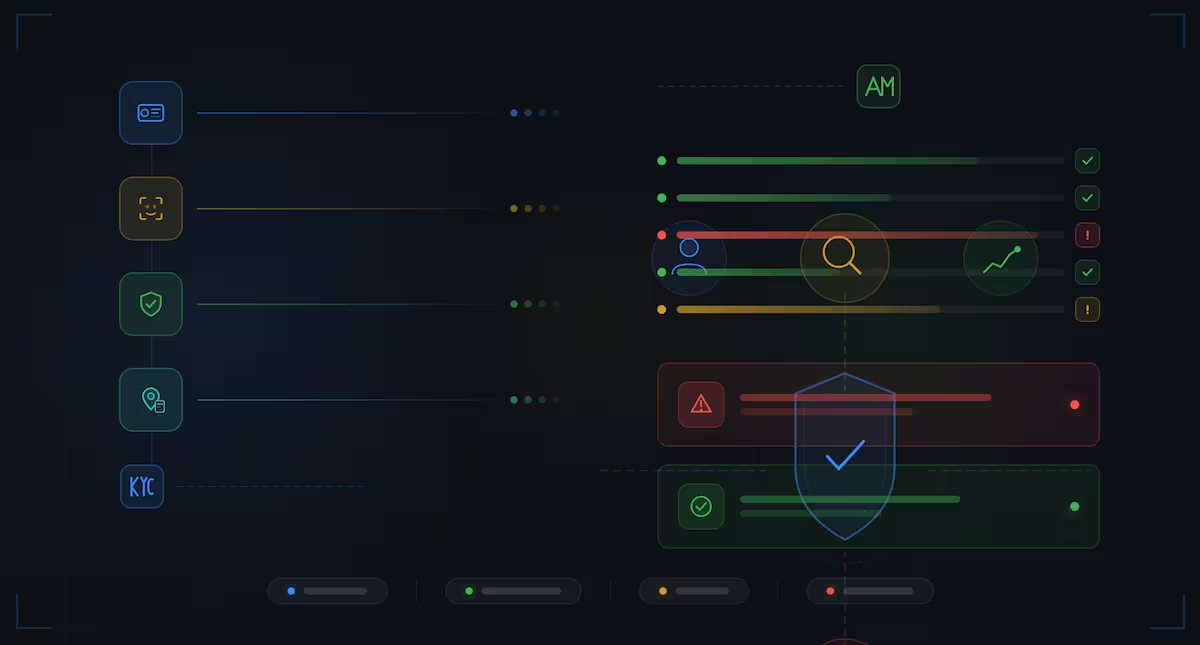
At ICunity, we believe that understanding the regulatory side of trading is just as important as learning technical analysis and risk management. When opening an account with a broker or financial platform, traders are often asked to submit personal information and identification documents. These requirements are part of two important compliance processes known as AML (Anti-Money Laundering) and KYC (Know Your Customer).
Are you ready to transform your financial future?
Sign Up TodayNo credit card required • Free demo account • Instant activation
Although these procedures may sometimes feel inconvenient, they play a crucial role in protecting the integrity of financial markets and creating a safer trading environment for everyone.
What Is KYC?
KYC, or Know Your Customer, is the process financial institutions use to verify the identity of their clients.
The purpose of KYC is to ensure that companies know who their customers are and can confirm that accounts are being opened by legitimate individuals.
KYC procedures typically involve collecting:
- Full name
- Date of birth
- Residential address
- Government-issued identification
- Proof of address
These checks help financial institutions confirm that customers are genuine and comply with regulatory requirements.
What Is AML?
AML stands for Anti-Money Laundering.
It refers to the laws, regulations, and procedures designed to prevent criminals from using financial systems to hide or move illegally obtained money.
AML measures aim to:
- Detect suspicious activities
- Prevent financial crime
- Combat fraud
- Reduce terrorist financing risks
- Protect the financial system
Financial institutions and regulated brokers are required to implement AML programs as part of their compliance responsibilities.
Why Do Traders Need to Complete KYC?
Many traders wonder why they must provide personal documents before they can trade or withdraw funds.
KYC requirements help brokers:
- Verify customer identities
- Prevent identity fraud
- Ensure regulatory compliance
- Protect customer accounts
- Reduce the risk of financial crime
Most regulated brokers cannot legally provide services without completing customer verification procedures.
Common Documents Requested
During the verification process, traders are usually asked to provide certain documents.
Proof of Identity
Examples include:
- Passport
- National identity card
- Driver’s license
Proof of Address
Examples include:
- Utility bills
- Bank statements
- Government-issued documents
The exact requirements may vary depending on the broker and regulatory jurisdiction.
Why AML Is Important in Financial Markets
Financial markets handle enormous amounts of money every day.
Without AML procedures, criminals could potentially use financial platforms to:
- Conceal illegal funds
- Conduct fraudulent activities
- Move money across borders undetected
AML regulations help create a more secure and transparent financial system.
How AML Monitoring Works
Financial institutions often monitor accounts for unusual activities.
Examples of activities that may trigger additional reviews include:
- Unusually large transactions
- Frequent deposits and withdrawals
- Inconsistent account activity
- Transactions involving high-risk jurisdictions
These checks are designed to identify suspicious behavior and protect the financial system.
Why Verification Sometimes Takes Time
Some traders become frustrated when account verification takes longer than expected.
The review process may involve:
- Verifying identification documents
- Confirming address information
- Reviewing account details
- Conducting compliance checks
These procedures help ensure that both the trader and the financial institution remain protected.
How AML and KYC Protect Traders
Although compliance procedures may seem like administrative requirements, they also provide important benefits for traders.
They help:
- Reduce fraud risks
- Protect accounts from unauthorized access
- Improve security standards
- Promote trust in financial institutions
- Strengthen market integrity
A regulated environment generally benefits all market participants.
The Importance of Choosing a Regulated Broker
When selecting a broker, traders should consider whether the company follows AML and KYC requirements.
Regulated brokers often provide:
- Stronger security measures
- Better transparency
- Greater accountability
- Enhanced customer protection
Compliance with regulatory standards can be an important sign of credibility.
Can Traders Avoid KYC?
Some traders search for platforms that do not require verification.
However, regulated financial institutions are generally required to implement KYC procedures.
Platforms that completely avoid identity checks may carry additional risks, including:
- Limited consumer protections
- Regulatory uncertainty
- Increased exposure to fraud
Understanding the importance of compliance can help traders make more informed decisions.
Protecting Personal Information
Because KYC involves submitting personal documents, traders should also take steps to protect their information.
Consider:
- Using regulated and reputable brokers
- Reviewing privacy policies
- Ensuring websites use secure connections
- Avoiding sharing documents with unverified platforms
Security and privacy should always be priorities.
AML and KYC in an Increasingly Digital World
As financial services continue to move online, AML and KYC processes are becoming more advanced.
Modern technologies may include:
- Digital identity verification
- Automated document checks
- Biometric authentication
- Enhanced fraud detection systems
These innovations aim to improve both security and user experience.
Why Compliance Builds Trust
Trust is essential in financial markets.
AML and KYC procedures help create confidence by ensuring that:
- Customers are properly identified
- Financial institutions follow regulations
- Suspicious activities are monitored
- Market integrity is protected
Strong compliance standards contribute to a healthier financial ecosystem.
Final Thoughts
At ICunity, we believe that understanding AML and KYC is an important part of becoming an informed trader. While identity verification and compliance checks may sometimes feel inconvenient, they play a critical role in protecting financial markets, reducing fraud, and creating a safer environment for traders and investors.
By choosing regulated institutions and understanding why these procedures exist, traders can approach the markets with greater confidence and appreciation for the systems that help maintain trust and transparency in the global financial industry.