

Breakout Trading Explained with Real Examples
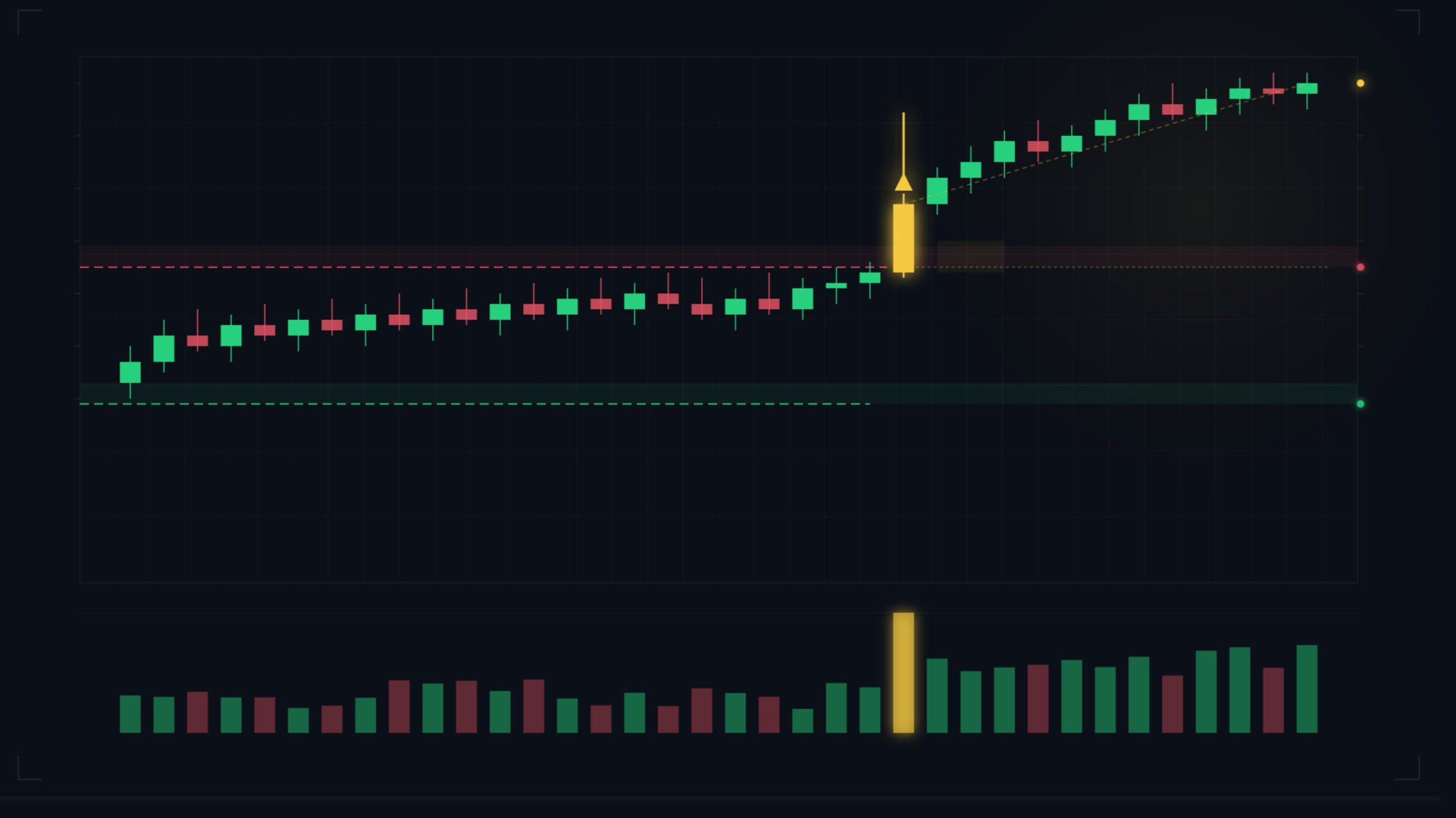
At ICunity, breakout trading remains one of the most popular strategies among Forex and stock traders. The idea is simple: when price breaks through a key level, it can trigger strong momentum and create trading opportunities.
Are you ready to transform your financial future?
Sign Up TodayNo credit card required • Free demo account • Instant activation
However, successful breakout trading is not just about entering when price moves—it’s about understanding when a breakout is real and when it’s fake.
What Is Breakout Trading?
A breakout happens when price moves beyond an important level of:
- Support
- Resistance
- Consolidation range
- Trendline
When price breaks these levels with momentum, traders expect the market to continue moving in that direction.
Why Breakouts Happen
Breakouts occur because of:
- Increased buying or selling pressure
- News events
- Institutional activity
- Market momentum
Once a major level is broken, many traders enter the market at the same time, increasing volatility and movement.
Common Types of Breakouts
1. Resistance Breakout
Price breaks above resistance → bullish signal
2. Support Breakout
Price breaks below support → bearish signal
3. Range Breakout
Price escapes a sideways market
4. Trendline Breakout
Price breaks an established trendline
Real Example #1 – Resistance Breakout
Imagine EUR/USD has been struggling to move above 1.1000 for several days.
What Happens:
- Price repeatedly rejects 1.1000
- Buyers continue building pressure
- Eventually, price closes above resistance with strong momentum
Trader Reaction:
Many breakout traders enter buy positions after confirmation.
Result:
Price continues upward as more traders join the move.
This is a classic bullish breakout.
Real Example #2 – Support Breakout
Let’s say GBP/USD has strong support at 1.2500.
What Happens:
- Price tests support multiple times
- Sellers gain momentum
- Price breaks below 1.2500
Trader Reaction:
Breakout traders may enter sell positions after the breakdown.
Result:
Price drops further as stop-loss orders and selling pressure increase.
The Importance of Confirmation
One of the biggest mistakes beginners make is entering too early.
Professional traders often wait for:
- Candle close beyond the level
- Increased momentum
- Retest of the breakout zone
This helps avoid false breakouts.
What Is a False Breakout?
A false breakout happens when:
- Price breaks a level briefly
- Then quickly reverses back inside the range
This traps impatient traders and is extremely common.
How to Avoid False Breakouts
At ICunity, traders are encouraged to:
- Wait for confirmation candles
- Avoid emotional entries
- Use proper stop-loss placement
- Analyze overall trend direction
Patience is critical in breakout trading.
Best Markets for Breakout Trading
Breakouts work well in:
- Forex markets
- Stocks
- Indices
- Commodities
They are especially powerful during high-volume trading sessions.
News Events and Breakouts
Major economic events often trigger strong breakouts.
For example, announcements from the Federal Reserve can cause major movements in currency pairs like EUR/USD or USD/JPY.
This is why many breakout traders monitor economic calendars closely.
Risk Management in Breakout Trading
Breakout trading can be highly profitable—but also risky.
Key rules:
- Always use stop-loss
- Risk only a small percentage per trade
- Avoid chasing price after huge moves
Good risk management matters more than predicting every breakout correctly.
Pros of Breakout Trading
- Strong momentum opportunities
- Clear entry and exit zones
- Works across multiple markets
- Suitable for different trading styles
Cons of Breakout Trading
- False breakouts are common
- High volatility can increase risk
- Emotional trading can lead to mistakes
Discipline is essential.
Final Thoughts
At ICunity, breakout trading is viewed as a powerful strategy when combined with patience, confirmation, and proper risk management. The goal is not to trade every breakout—but to identify high-quality setups with strong probability.
Real success in breakout trading comes from:
- Waiting for confirmation
- Controlling risk
- Staying disciplined under pressure
When used correctly, breakout trading can help traders capture some of the market’s strongest moves.