

How Professional Traders Plan Their Trades
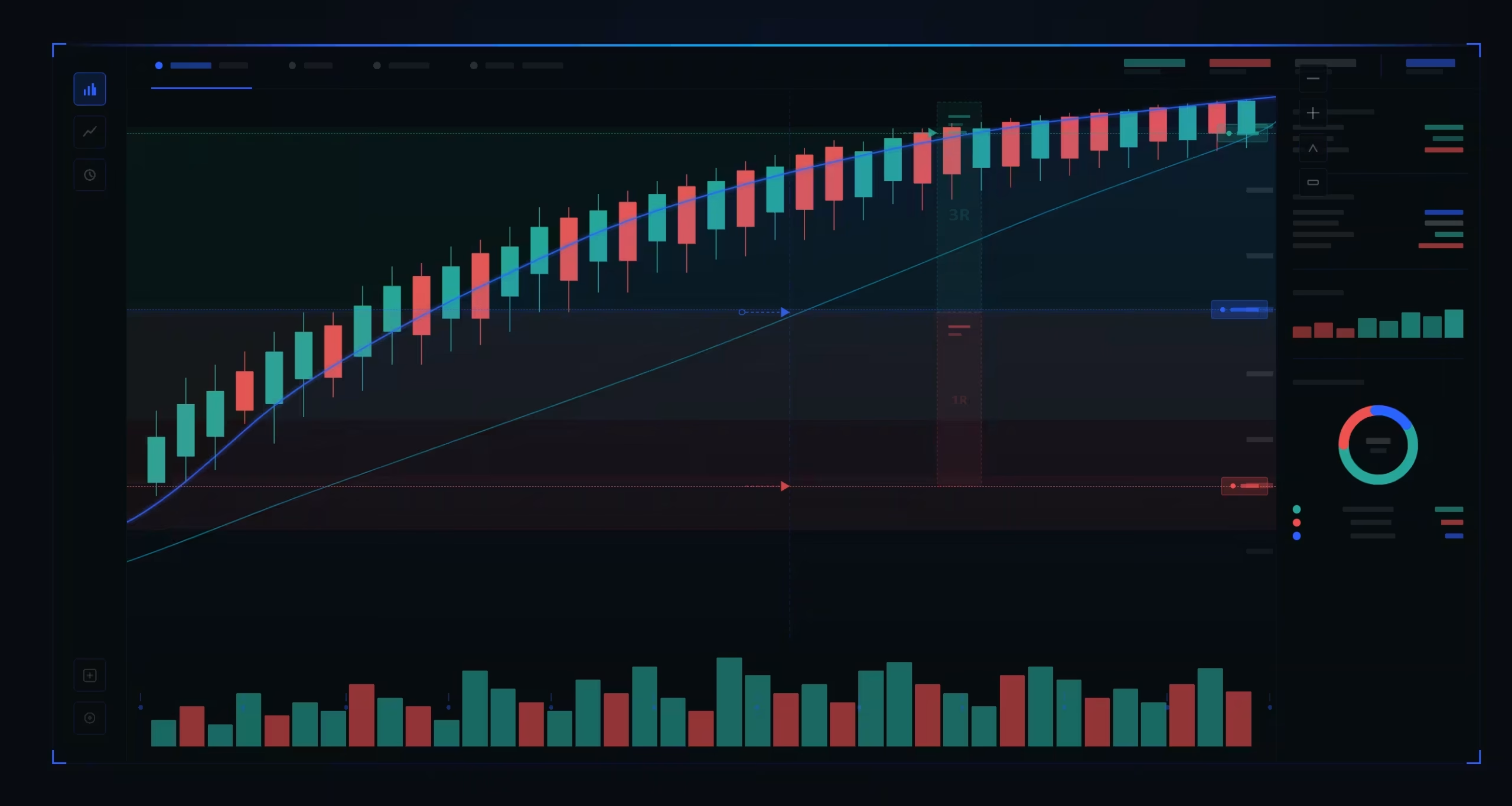
At ICunity, one of the biggest differences we see between beginner and professional traders is not the strategy they use—it’s how they prepare. Professional traders rarely make impulsive decisions. Instead, they follow a structured process that helps them manage risk, stay disciplined, and make consistent decisions regardless of market conditions.
Are you ready to transform your financial future?
Sign Up TodayNo credit card required • Free demo account • Instant activation
Trading without a plan is like driving without a map. You may eventually reach your destination, but the journey will be far more difficult and risky. Professional traders understand that successful trading begins long before a trade is ever placed.
Why Trade Planning Matters
Markets are unpredictable, but preparation helps traders respond effectively to different scenarios.
A well-planned trade helps traders:
- Reduce emotional decision-making
- Manage risk more effectively
- Improve consistency
- Avoid impulsive entries
- Maintain discipline during volatility
The goal is not to predict every market move but to prepare for multiple outcomes.
Start with Market Analysis
Professional traders begin by analyzing the overall market environment.
They typically look at:
- Market trends
- Support and resistance levels
- Economic conditions
- Major news events
- Market sentiment
This helps them understand the broader context before searching for specific trading opportunities.
Identify High-Probability Setups
Rather than trading every market movement, professionals wait for setups that meet their predefined criteria.
These setups may include:
- Trend continuation patterns
- Breakouts
- Pullbacks
- Support and resistance reactions
- Price action signals
Patience is a key part of the process. Many professional traders spend more time waiting than trading.
Define the Entry Point
Before entering a trade, professionals know exactly where they want to enter.
They ask questions such as:
- What price level triggers the trade?
- What confirmation is required?
- Does the setup align with my strategy?
Having a clear entry plan removes guesswork and emotional reactions.
Determine the Stop-Loss Level
Risk management is a major priority for professional traders.
Before entering any trade, they decide:
- Where the trade idea becomes invalid
- How much money they are willing to risk
- The appropriate stop-loss location
A stop-loss is not viewed as a failure. It is simply a tool for protecting capital.
Set a Profit Target
Professional traders also define their exit strategy before entering a trade.
This includes:
- Profit targets
- Risk-to-reward ratios
- Conditions for closing the trade
Knowing where to exit helps prevent emotional decisions once the trade is active.
Calculate Risk-to-Reward
One common practice among professionals is evaluating risk-to-reward before taking a trade.
For example:
- Risking $100 to potentially earn $200 creates a 1:2 risk-to-reward ratio.
This approach allows traders to remain profitable even if some trades result in losses.
Check the Economic Calendar
Professional traders pay close attention to upcoming market-moving events.
Important releases may include:
- Interest rate decisions
- Inflation reports
- Employment data
- Central bank speeches
Unexpected volatility can affect trade outcomes, so preparation is essential.
Use Multi-Timeframe Analysis
Many professionals analyze multiple chart timeframes before making a decision.
For example:
- Daily chart for trend direction
- Four-hour chart for setup identification
- One-hour chart for trade execution
This helps them align short-term entries with the larger market trend.
Prepare for Different Scenarios
Professionals do not assume the market will behave exactly as expected.
Instead, they create plans for multiple outcomes.
Questions they often consider include:
- What if the trade moves in my favor?
- What if the market reverses?
- What if volatility increases unexpectedly?
Being prepared reduces stress and improves decision-making.
Maintain a Trading Journal
After the trade is complete, professionals review their performance.
A trading journal may include:
- Entry and exit reasons
- Screenshots of setups
- Emotional observations
- Lessons learned
Reviewing past trades helps identify strengths and weaknesses over time.
Focus on Process Over Results
One of the most important habits of professional traders is focusing on execution rather than individual outcomes.
Even a perfectly planned trade can lose money.
Professionals evaluate success by asking:
- Did I follow my plan?
- Did I manage risk correctly?
- Did I remain disciplined?
Consistently following a strong process often leads to better long-term results.
Common Mistakes Beginners Make
Many new traders:
- Enter trades without a plan
- Risk too much on one position
- Change strategies frequently
- Ignore stop-loss orders
- Trade based on emotions
Professional traders avoid these mistakes by relying on preparation and discipline.
Final Thoughts
At ICunity, we believe that successful trading starts with preparation, not prediction. Professional traders do not rely on luck or emotions. They follow a structured plan, manage risk carefully, and remain disciplined regardless of market conditions.
The next time you consider placing a trade, take a moment to think like a professional. Analyze the market, define your risk, plan your exits, and prepare for multiple outcomes. A well-planned trade may not always be a winning trade, but consistent planning is one of the foundations of long-term trading success.