

Overtrading: What It Is and How to Stop
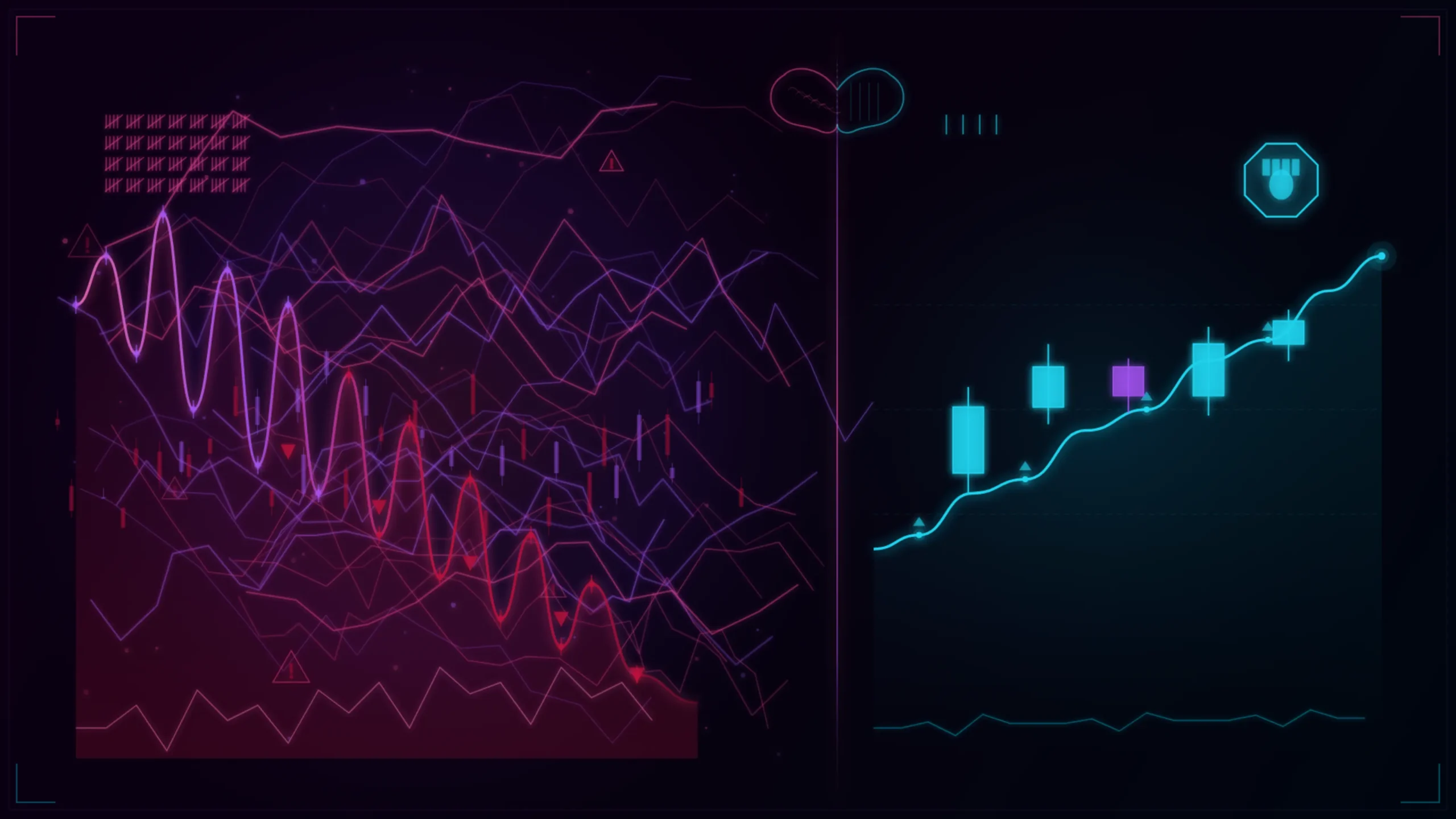
At ICunity, one of the most common mistakes we see among traders—especially beginners—is overtrading. It’s one of the fastest ways to drain your account and lose confidence, yet many traders don’t even realize they’re doing it.
Are you ready to transform your financial future?
Sign Up TodayNo credit card required • Free demo account • Instant activation
Understanding what overtrading is and how to control it can make a huge difference in your long-term success.
What Is Overtrading?
Overtrading happens when a trader executes too many trades or trades without a clear strategy. It’s not just about quantity—it’s about quality and intention.
There are two main types of overtrading:
- Too Frequent Trading: Opening trades excessively, often out of boredom or impatience
- Over-Sizing Positions: Risking too much on a single trade in an attempt to maximize profits
Both behaviors increase risk and reduce discipline.
Why Do Traders Overtrade?
Overtrading is usually driven by emotions rather than logic. Common causes include:
- Greed: Wanting to make more money quickly
- Fear of Missing Out (FOMO): Jumping into trades without proper setups
- Revenge Trading: Trying to recover losses immediately
- Boredom: Trading just to feel active in the market
These emotional triggers can lead to impulsive decisions and unnecessary losses.
Signs You Are Overtrading
If you notice any of the following, you might be overtrading:
- Taking trades without clear setups
- Ignoring your trading plan
- Increasing lot sizes after losses
- Feeling stressed or exhausted from constant trading
- Trading even when market conditions are unclear
Recognizing these signs early is key to correcting your behavior.
The Hidden Dangers of Overtrading
Overtrading doesn’t just affect your account—it impacts your mindset as well.
- Capital Loss: More trades = more exposure to risk
- Higher Costs: Spreads and commissions add up quickly
- Emotional Burnout: Constant stress leads to poor decisions
- Loss of Discipline: You drift away from your strategy
In the long run, overtrading can completely derail your progress.
How to Stop Overtrading
The good news is that overtrading can be controlled with the right approach.
1. Create a Clear Trading Plan
Define your entry, exit, and risk rules. Only take trades that meet your criteria.
2. Set a Daily Trade Limit
Limit the number of trades you can take per day (e.g., 2–3 high-quality setups).
3. Focus on Quality Over Quantity
One good trade is better than five random ones. Patience is a key trading skill.
4. Use Proper Risk Management
Stick to risking 1–2% per trade. This prevents emotional decisions and large losses.
5. Keep a Trading Journal
Track every trade, including the reason behind it. This helps identify patterns of overtrading.
6. Take Breaks
If you feel emotional or frustrated, step away from the charts. Trading in a bad mindset often leads to mistakes.
Build Discipline and Patience
Stopping overtrading is less about rules and more about mindset. Successful traders understand that:
- Not trading is sometimes the best decision
- Waiting for the right setup is part of the job
- Consistency beats constant activity
Learning to sit on your hands can be more powerful than taking unnecessary trades.
Final Thoughts
At ICunity, we emphasize that trading is not about being active all the time—it’s about being strategic and disciplined. Overtrading is a common trap, but with awareness and proper habits, it can be avoided.
The goal is simple: trade less, but trade better. When you focus on quality setups and control your emotions, your results will naturally improve over time.