

Trend Trading Strategies for Consistent Results
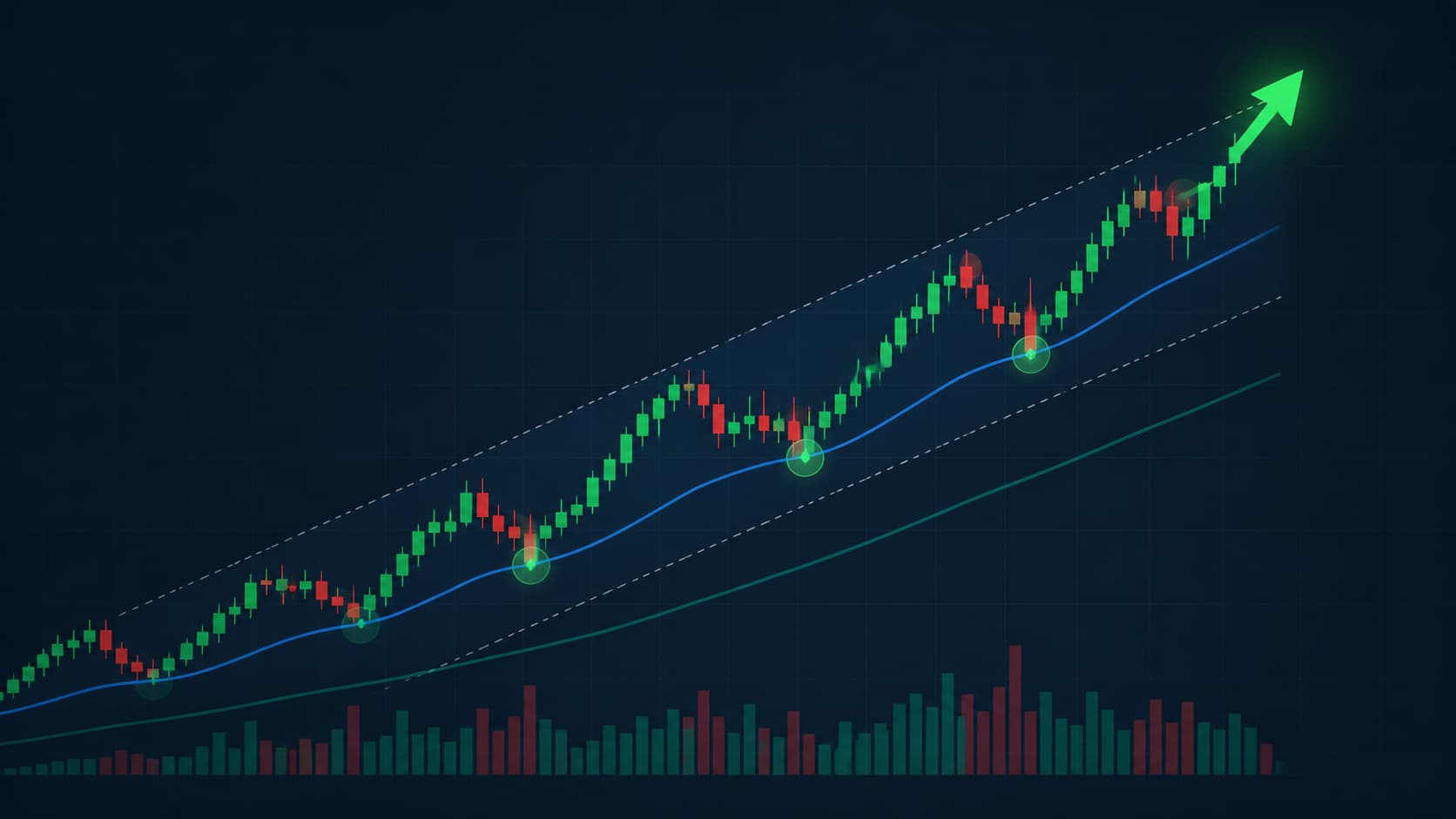
At ICunity, trend trading remains one of the most popular and reliable approaches in financial markets. The idea is simple: instead of fighting the market, traders aim to move with the direction of the trend.
Are you ready to transform your financial future?
Sign Up TodayNo credit card required • Free demo account • Instant activation
While no strategy guarantees profits, trend trading can help traders build consistency by focusing on momentum and structured decision-making.
What Is Trend Trading?
Trend trading is a strategy where traders identify the overall market direction and place trades that follow that movement.
There are three main market trends:
- Uptrend: Higher highs and higher lows
- Downtrend: Lower highs and lower lows
- Sideways Market: No clear direction
Trend traders usually avoid sideways conditions and focus on strong directional movement.
Why Trend Trading Works
Markets often move in trends because of:
- Economic conditions
- Market sentiment
- Institutional activity
- News events
Once momentum builds, price can continue moving in the same direction for extended periods.
This is why traders often say:
“The trend is your friend.”
1. Moving Average Trend Strategy
One of the simplest trend strategies uses moving averages.
Example Setup:
- 50 EMA (short-term trend)
- 200 EMA (long-term trend)
Buy Signal:
- 50 EMA crosses above 200 EMA
Sell Signal:
- 50 EMA crosses below 200 EMA
Platforms like TradingView and MetaTrader 5 make this strategy easy to apply.
2. Pullback Trading Strategy
Professional trend traders rarely chase price.
Instead, they:
- Wait for a pullback within the trend
- Enter when price resumes momentum
Example:
In an uptrend:
- Price pulls back to support or moving average
- Bullish confirmation appears
- Trader enters buy position
This improves entry quality and reduces risk.
3. Breakout Trend Strategy
Trends often accelerate after key levels break.
Traders Look For:
- Resistance breakout in uptrends
- Support breakout in downtrends
Breakouts combined with strong momentum can lead to powerful trend continuation moves.
4. Market Structure Strategy
This strategy focuses on reading price action directly.
Uptrend Structure:
- Higher highs
- Higher lows
Downtrend Structure:
- Lower highs
- Lower lows
This helps traders stay aligned with market direction without relying heavily on indicators.
5. Multi-Timeframe Trend Analysis
Experienced traders often combine multiple timeframes.
Example:
- Daily chart → Identify overall trend
- 1-hour chart → Find entry opportunities
This helps traders avoid trading against the larger market direction.
Importance of Risk Management
Even strong trends can reverse unexpectedly.
Trend traders should:
- Use stop-loss orders
- Risk only a small percentage per trade
- Avoid overleveraging
Consistency comes more from risk control than predicting every move correctly.
The Role of Economic News
Major news events can strengthen or reverse trends quickly.
For example, announcements from the Federal Reserve often create major trends in Forex markets due to interest rate expectations and economic policy changes.
Trend traders closely monitor economic calendars for this reason.
Common Trend Trading Mistakes
1. Chasing the Market
Entering after huge moves increases risk.
2. Trading Against the Trend
Trying to predict reversals too early often leads to losses.
3. Ignoring Sideways Markets
Trend strategies work poorly in low-momentum conditions.
4. Moving Stop-Loss Emotionally
This can turn small losses into large ones.
Why Trend Trading Appeals to Beginners
Trend trading is popular because it offers:
- Clear market direction
- Structured setups
- Simpler decision-making
It can also help reduce emotional trading by providing defined rules.
Final Thoughts
At ICunity, trend trading is viewed as one of the most practical approaches for building consistency in the market. Instead of trying to predict every reversal, trend traders focus on following momentum and managing risk carefully.
The goal is not to catch every move—it’s to align with high-probability trends and execute consistently over time.
Patience, discipline, and proper risk management remain the true foundation of successful trend trading.