

What Moves the Forex Market?
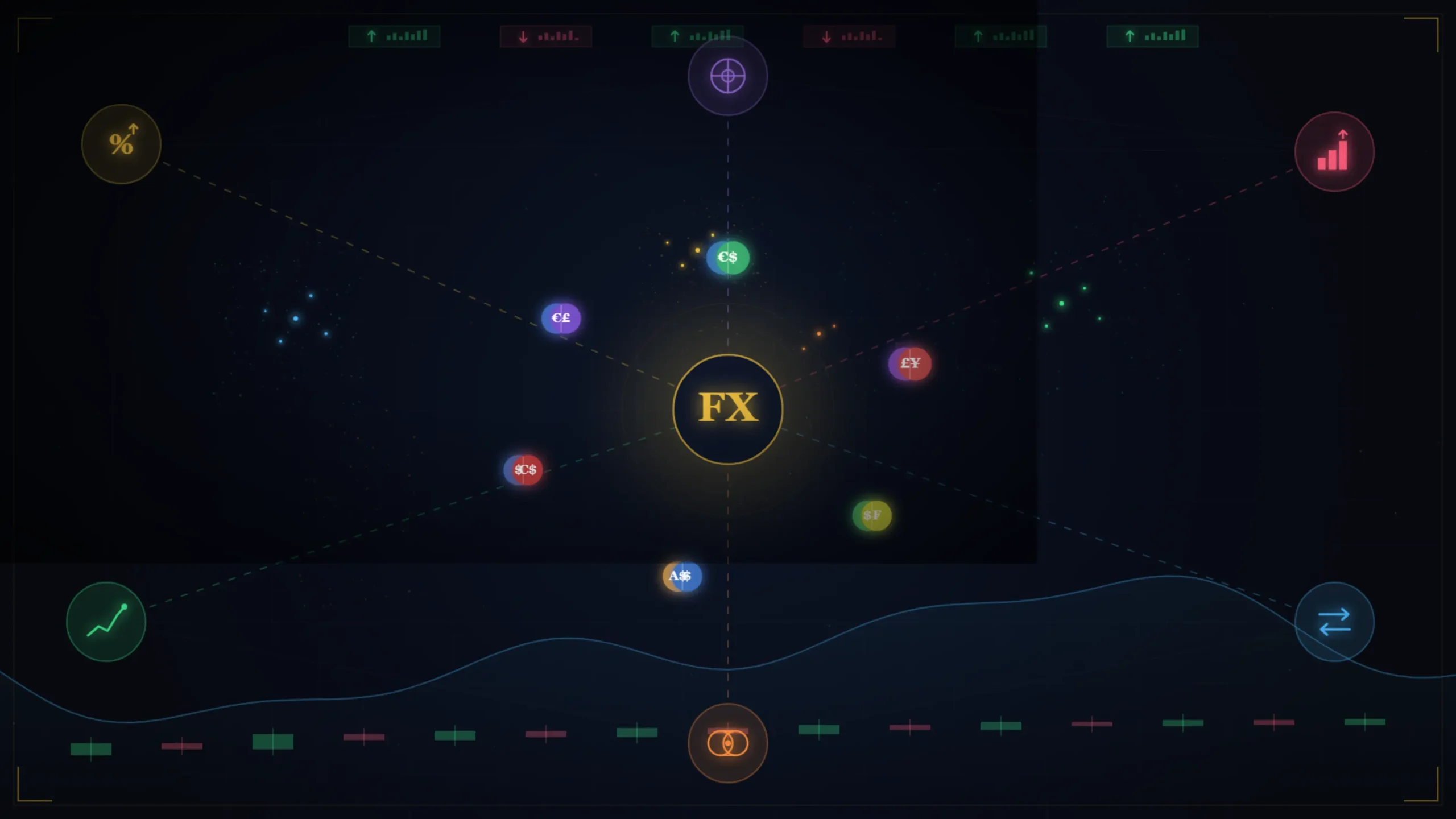
At ICunity, one of the most important lessons for any trader is understanding what actually moves the Forex market. Prices don’t move randomly—currencies rise and fall based on a combination of economic, political, and psychological factors.
Are you ready to transform your financial future?
Sign Up TodayNo credit card required • Free demo account • Instant activation
If you can understand these drivers, you can make smarter trading decisions instead of relying on guesswork.
1. Economic Data and Indicators
Economic data is one of the biggest drivers of currency movements. Countries with strong economies tend to have stronger currencies.
Key indicators include:
- Interest rates
- Inflation data
- Employment reports
- GDP (Gross Domestic Product)
For example, when the Federal Reserve raises interest rates, the US dollar often strengthens because investors seek higher returns.
2. Central Bank Decisions
Central banks play a critical role in shaping currency values. Their policies directly impact supply, demand, and investor confidence.
Major central banks include:
- European Central Bank
- Bank of England
- Bank of Japan
Their decisions on interest rates, money supply, and economic outlook can cause sharp market movements.
3. Supply and Demand
Like any market, Forex is driven by supply and demand.
- If more people want to buy a currency → price goes up
- If more people want to sell → price goes down
This demand is influenced by trade, investment flows, and global economic conditions.
4. Political Events and Stability
Political stability plays a huge role in currency strength.
Events that can move the market include:
- Elections
- Government policies
- Geopolitical tensions
- Trade agreements
For example, uncertainty during events like the Brexit caused major volatility in the British pound.
5. Market Sentiment
Sometimes, prices move based on how traders feel about the market rather than pure data.
This is called market sentiment:
- Risk-on: Investors take more risks → currencies like AUD or GBP may rise
- Risk-off: Investors seek safety → currencies like USD or JPY strengthen
Understanding sentiment helps traders anticipate potential moves.
6. Global Events and News
Unexpected global events can cause sudden and dramatic movements in Forex markets.
Examples include:
- Financial crises
- Wars or conflicts
- Pandemics like COVID-19
These events can shift investor behavior almost instantly.
7. Interest Rate Expectations
It’s not just actual rate changes that matter—it’s what traders expect to happen.
If traders believe a central bank will raise rates in the future, the currency may start rising before the announcement.
This is why Forex markets often move ahead of news.
8. Large Financial Institutions
Big players like banks, hedge funds, and institutions move huge amounts of money.
Their actions can influence:
- Market trends
- Liquidity
- Price volatility
Retail traders often follow the footprints of these major participants.
Final Thoughts
At ICunity, we teach traders that understanding what moves the Forex market is essential for long-term success. Prices are influenced by a mix of economic data, central bank policies, global events, and market psychology.
Instead of reacting emotionally, focus on learning these core drivers. When you understand why the market moves, you gain a powerful edge—and trading becomes more strategic, not random.