

Why Patience Is the Most Powerful Trading Skill
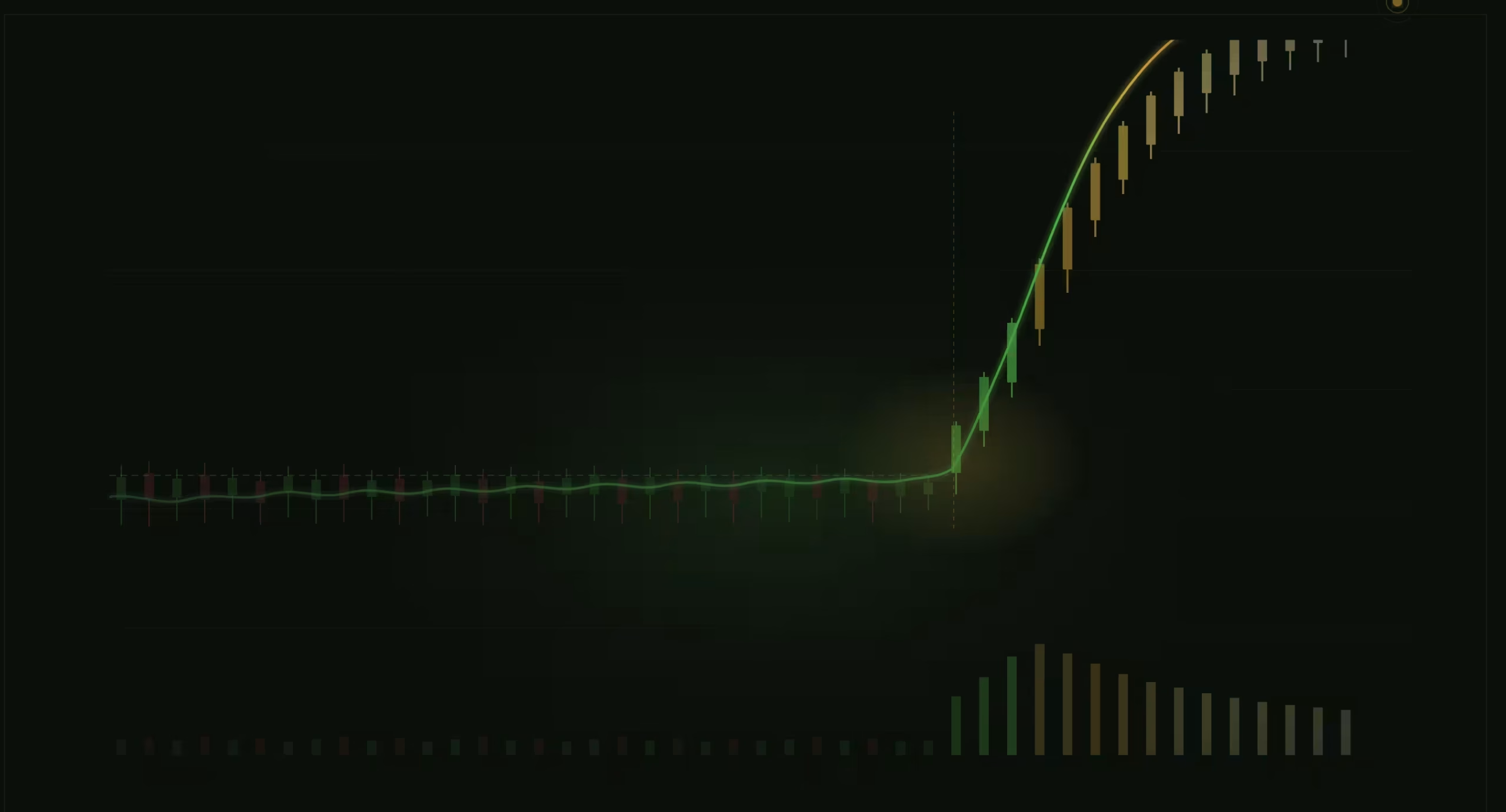
At ICunity, traders often spend months searching for the perfect indicator, strategy, or market secret. Yet one of the most important factors behind long-term trading success is something far simpler: patience. While technical knowledge and market analysis are valuable, patience is often what separates consistent traders from those who struggle to achieve lasting results.
Are you ready to transform your financial future?
Sign Up TodayNo credit card required • Free demo account • Instant activation
In a world that rewards speed and instant gratification, patience has become one of the most underrated skills in trading.
What Does Patience Mean in Trading?
Patience in trading is the ability to wait for the right opportunities rather than forcing trades.
It means:
- Waiting for high-quality setups
- Following a trading plan
- Avoiding impulsive decisions
- Allowing trades time to develop
- Accepting that not every day will provide opportunities
Patience is not inactivity. It is disciplined decision-making.
Why Most Traders Struggle With Patience
Financial markets are constantly moving, which creates the feeling that traders should always be doing something.
Many beginners feel pressure to:
- Enter trades frequently
- Recover losses quickly
- Chase market movements
- Generate daily profits
This mindset often leads to poor decisions because traders become focused on action rather than quality.
The Cost of Impatience
Impatience can be expensive.
When traders become impatient, they often:
- Enter trades too early
- Ignore confirmation signals
- Trade low-quality setups
- Increase risk unnecessarily
- Overtrade
These mistakes can quickly damage both confidence and trading accounts.
Professional Traders Spend More Time Waiting Than Trading
One of the biggest misconceptions about trading is that successful traders are constantly buying and selling.
In reality, many professional traders spend most of their time:
- Analyzing markets
- Monitoring conditions
- Waiting for opportunities
They understand that good trades are often worth waiting for.
Patience allows them to remain selective and disciplined.
Patience Improves Trade Quality
Not every market movement deserves a trade.
Patient traders wait for setups that match their strategy and risk management rules.
This often leads to:
- Better entries
- Better risk-to-reward ratios
- More confidence in decisions
- Improved consistency
A few high-quality trades are often more valuable than dozens of random ones.
Patience Helps Control Emotions
Many emotional trading mistakes are caused by impatience.
Examples include:
- Fear of missing out (FOMO)
- Revenge trading after losses
- Chasing price movements
- Closing trades too early
Patience creates a buffer between emotion and action, allowing traders to make more rational decisions.
Waiting for Confirmation Matters
Many trading strategies require confirmation before entry.
This may include:
- Candlestick patterns
- Trend confirmation
- Breakout validation
- Support or resistance reactions
Impatient traders often enter before confirmation appears, increasing the likelihood of false signals.
Patient traders allow the market to reveal its intentions first.
Patience and Risk Management
Good risk management requires patience as well.
Patient traders:
- Wait for favorable setups
- Avoid oversized positions
- Accept that opportunities will return
This mindset helps preserve capital and reduces emotional stress.
The Connection Between Patience and Consistency
Consistency in trading is not achieved through constant action.
It is achieved through:
- Repeating a proven process
- Following a plan
- Managing risk carefully
Patience supports all of these habits.
Without patience, even a good strategy can fail because traders abandon their rules too quickly.
Learning to Accept Boredom
One challenge many traders face is boredom.
Markets do not always provide ideal opportunities.
During slow periods, patient traders:
- Stay disciplined
- Continue monitoring markets
- Avoid forcing trades
Accepting boredom is often part of becoming a successful trader.
How to Develop More Patience
Patience can be improved with practice.
Helpful techniques include:
- Creating a written trading plan
- Using a trading checklist
- Limiting the number of trades per day
- Keeping a trading journal
- Focusing on long-term performance
The goal is to make decisions based on rules rather than emotions.
Common Signs of Impatience
You may need to work on patience if you frequently:
- Enter trades without confirmation
- Trade out of boredom
- Chase strong price moves
- Constantly switch strategies
- Feel frustrated when not trading
Recognizing these habits is the first step toward improving them.
Patience Is a Competitive Advantage
Most market participants struggle with emotional decision-making.
Traders who can remain patient gain an advantage because they:
- Avoid unnecessary risks
- Focus on quality opportunities
- Maintain discipline during volatility
- Stay committed to their strategy
Over time, these small advantages can make a significant difference.
Final Thoughts
At ICunity, we believe patience is one of the most powerful and valuable skills a trader can develop. Markets will always offer opportunities, but successful traders understand that not every opportunity is worth taking.
Patience helps traders avoid emotional decisions, improve trade quality, and maintain consistency over the long term. While it may not be as exciting as finding a new indicator or strategy, patience often has a greater impact on trading success than any technical tool.
In trading, the ability to wait for the right opportunity is often what turns average results into exceptional ones.